




















Choosing the Right Weld Control System for Industrial Use
Discover how to choose the best weld control system for industrial use. Learn key features, benefits, and tips to ensure safe, efficient welding operations.

A weld control system is an essential component in automated and industrial welding environments. It manages and monitors the welding process by ensuring optimal conditions, including temperature, coolant flow, and pressure. This ensures that welding equipment performs safely and consistently. In modern manufacturing, particularly in high-volume production lines, a reliable weld control system is crucial for maintaining quality and minimising equipment failure. Selecting the right system is essential for achieving long-term efficiency, safety, and cost savings. This article will guide you through the key factors to consider when choosing a weld control solution tailored to your industrial needs.
What Is a Weld Control System?
A weld control system is a device or network of components designed to regulate and monitor the conditions necessary for safe and effective welding. It includes sensors, monitors, valves, and controllers that track flow rates, detect leaks, and manage temperatures. These systems ensure that the welding process runs smoothly, protecting both the weld quality and the equipment itself. By constantly adjusting variables and signalling faults, weld control systems play a key role in maintaining precision and preventing damage in automated welding lines.
Why Are Weld Control Systems Critical in Industrial Settings?
In high-performance manufacturing, weld control systems are vital. They prevent equipment overheating by maintaining steady coolant flow and temperatures. Without proper control, machinery is at risk of breakdowns that cause costly downtime. These systems help ensure that each weld meets quality standards, which is particularly important in sectors such as automotive and aerospace. Additionally, they support safety protocols and help facilities stay compliant with industry regulations. Investing in a weld control solution is not just a performance upgrade. Its a safeguard for your operations.
Key Features to Look for in a Weld Control System
When evaluating a weld control system, focus on real-time monitoring of flow and temperature. These features allow immediate detection of abnormal conditions. Look for systems with built-in leak detection that can automatically shut off coolant flow to prevent damage. Compatibility with robotic welding systems is essential in automated settings. Alarm systems and auto shut-offs enhance safety, while data logging tools provide insights into performance and trends. A reliable weld control system should offer both protection and actionable data to help you optimize your process.
Understanding Your Application Needs
Every industrial setup has unique requirements for weld control. Automotive production lines may need fast response times and high coolant capacity, while aerospace applications might demand ultra-precise monitoring. Consider the type of welding equipment in use: manual, semi-automated, or fully automated. Assess your facility's cooling system needs, available space, and integration points. A system thats too complex or mismatched can slow down production and lead to unnecessary costs. Identifying your exact application needs is the first step to selecting the best solution.
Benefits of Advanced Weld Control Solutions Like WeldSaver
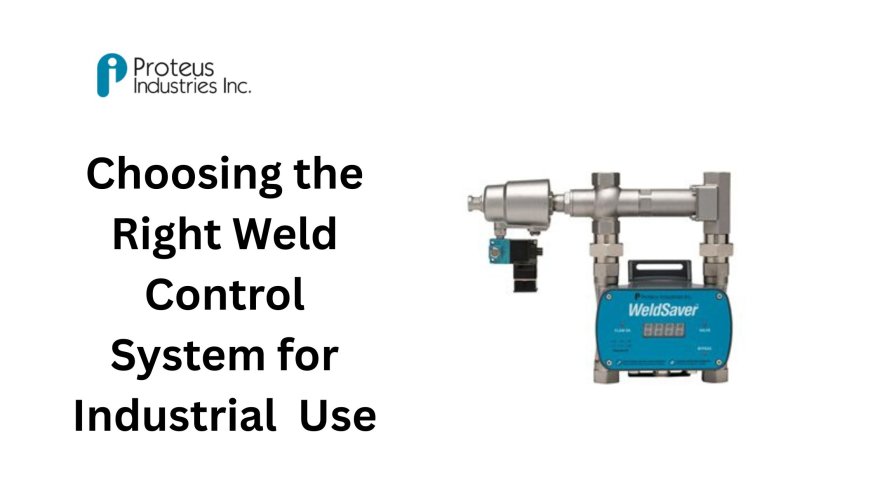
Innovative solutions, such as the WeldSaver system, offer advanced weld control capabilities. These systems provide real-time diagnostics that quickly detect flow interruptions or coolant leaks. Automated shut-off mechanisms help protect both equipment and operators. WeldSaver improves uptime by reducing unscheduled maintenance and preventing costly failures. Its integration into robotic weld cells is seamless, making it ideal for modern manufacturing. Used widely in automotive and industrial applications, WeldSaver sets a benchmark for efficiency, safety, and intelligent weld monitoring.
Common Mistakes to Avoid When Selecting a Weld Control System
Selecting the wrong weld control system can result in costly consequences. Avoid ignoring your systems required flow rate or choosing a product that is incompatible with your existing setup. Many people make the mistake of buying based solely on price, overlooking critical features such as leak detection and auto shut-off. Others underestimate the importance of real-time monitoring, which is crucial for detecting faults early. To ensure long-term reliability and performance, focus on finding a system tailored to your specific industrial needs.
Conclusion
A weld control system is a smart investment for any industrial or automated welding operation. From preventing damage to maintaining weld quality and supporting safety compliance, these systems play a crucial role. Whether youre running a small facility or a high-volume production line, selecting the right solution will enhance productivity and minimise risk. Focus on your operational needs, look for essential features, and consider advanced systems like WeldSaver. Making an informed decision today ensures a safer and more efficient welding process tomorrow.