





















Which Type of Caretaker is Suitable for Alzheimer’s or Dementia Patients?
Get professional and reliable patient caretaker services in Mumbai to support your loved one with comfort and care at home.

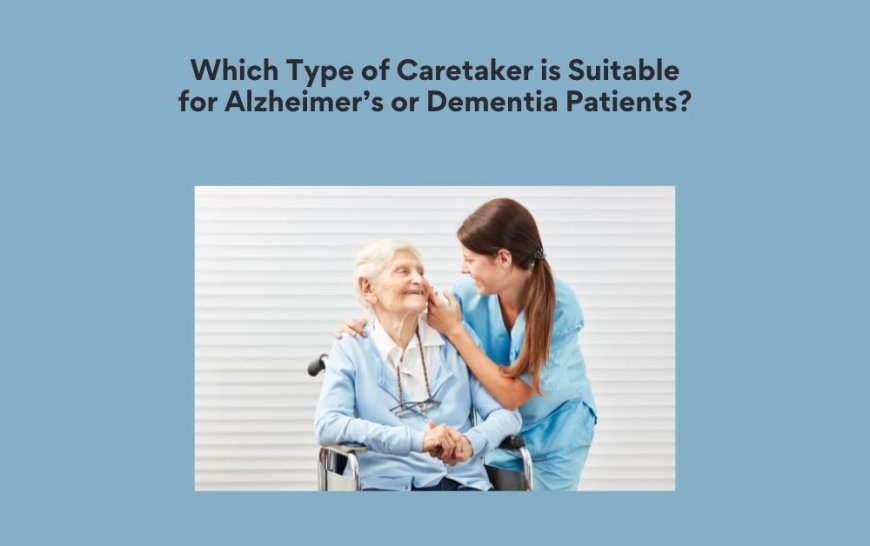
Taking care of a loved one with Alzheimers or dementia can be very emotional and stressful. These health conditions affect memory, thinking, and behavior. Over time, patients need more and more help with their daily life. This is why having the right caretaker is very important.
In this blog, we will explain everything in simple words to help you understand:
- What kind of caretakers are available
- What skills they should have
- How to choose the right caretaker for your loved one
- What questions to ask before hiring
Lets get started.
What Is Alzheimers and Dementia?
Before we talk about caretakers, its important to understand these two conditions.
Alzheimers Disease
Alzheimers is a brain disease that slowly destroys memory and thinking skills. It gets worse over time. People with Alzheimers may forget important things, get confused easily, and have trouble doing daily tasks like dressing or eating.
Dementia
Dementia is not one disease. It is a term for a group of symptoms that affect memory, communication, and thinking. Alzheimers is the most common type of dementia. Others include vascular dementia, Lewy body dementia, and frontotemporal dementia.
Note:- Looking for trusted patient caretaker services in Mumbai?Get compassionate, trained caregivers for your loved ones right at home.Contact us today to book reliable and professional care in just a few steps!

Why Do Alzheimers or Dementia Patients Need Special Care?
Patients with these conditions face many challenges in their daily lives. Some of them are:
- Forgetting names, faces, or where they are
- Getting lost, even in familiar places
- Difficulty eating, bathing, or using the toilet
- Mood changes, anger, or sadness
- Trouble sleeping or staying calm
Because of these problems, regular care may not be enough. They need someone who understands their condition and can handle their unique needs with kindness and patience.
Types of Caretakers for Alzheimers or Dementia Patients
There are different kinds of caretakers depending on the level of care needed. Lets look at each one.
1. Family Caregivers
Who are they?
Family caregivers are usually close family members like a son, daughter, or spouse who takes care of the patient at home.
Pros:
- The patient may feel more comfortable with a loved one
- No extra cost for hiring outside help
- Emotional support and familiarity
Cons:
- Caregiving can be very stressful
- The caregiver may not have proper training
- It can affect the caregivers personal life and health
Best for: Early stages of Alzheimers or dementia, where the patient needs only light assistance.
2. Professional In-Home Caregivers
Who are they?
These are trained caregivers who come to the patients home. They can be hired part-time or full-time.
Pros:
- They are trained to handle memory care
- Available for flexible hours (day or night)
- Allows the patient to stay in a familiar environment
Cons:
- Cost can be high if long-term care is needed
- May take time for the patient to trust a new person
Best for: Mid to late-stage dementia when the patient needs regular help with daily activities.
3. Certified Nursing Assistants (CNAs)
Who are they?
CNAs are healthcare workers trained to assist patients with medical needs and personal care tasks like bathing, dressing, or feeding.
Pros:
- They understand how to work with dementia patients
- Can monitor changes in health and report to doctors
- Some CNAs have memory care certification
Cons:
- May not be able to give medicines (depends on laws in your area)
- Not available 24/7 unless on rotation
Best for: Patients who need physical support and medical observation.
4. Licensed Nurses (LPNs or RNs)
Who are they?
Licensed Practical Nurses (LPNs) or Registered Nurses (RNs) provide medical care at home or in care centers. They are qualified to give medicine, handle wounds, and manage chronic conditions.
Pros:
- Can handle both medical and memory-related issues
- Can work under a doctors guidance
- Offers high-level care
Cons:
- Expensive compared to other caregivers
- May be more formal and less personal
Best for: Patients with complex medical needs along with dementia.
5. Memory Care Facilities
What are they?
These are special living centers designed for people with Alzheimers or dementia. They have trained staff and a safe environment.
Pros:
- 24/7 trained support
- Activities made for brain health
- Secure environment to prevent wandering
Cons:
- Can be very costly
- The patient may feel confused or scared in a new place
- Not ideal for patients who prefer being at home
Best for: Advanced dementia where home care is not safe or possible.
What Qualities Should a Caretaker Have?
Choosing the right caretaker is not just about training. Personality and attitude matter a lot too.
Key Qualities to Look For
Patience
Dementia patients may repeat things or forget easily. A good caretaker should stay calm.
Empathy
They should understand the patients feelings and treat them with kindness.
Communication Skills
They must speak clearly and gently. Understanding body language is also important.
Observant
They should notice changes in mood, eating, or behavior quickly.
Experience in Memory Care
Not every caregiver is trained to handle memory problems. Ask if they have worked with Alzheimers patients before.
Questions to Ask Before Hiring a Caretaker
Here are some helpful questions to ask when interviewing a caregiver:
- Do you have experience with Alzheimers or dementia care?
- How do you handle patients who get angry or confused?
- Are you trained in CPR or emergency care?
- Can you provide references from other families?
- What tasks will you help with? (Bathing, feeding, walking, etc.)
- Are you okay with night shifts or staying overnight if needed?
Tips for Making Caregiving More Comfortable for the Patient
Even the best caretaker will need help from the family to make the patient feel safe and happy.
1. Create a Familiar Routine
Keep meal times, bath times, and bedtime the same every day. Routine helps reduce confusion.
2. Personalize the Space
Keep family photos, favorite clothes, and familiar furniture around the patient to comfort them.
3. Use Simple Communication
Speak slowly, use short sentences, and repeat gently if needed.
4. Keep Them Engaged
Ask the caretaker to involve the patient in simple activities like folding towels, painting, or listening to old songs.
5. Safety First
Make sure the home is safe remove slippery rugs, lock harmful items, and install night lights.
How to Support the Caregiver
Caring for someone with dementia is tough. Caregivers also need support to stay healthy.
Ways to Help:
- Offer them breaks by hiring backup care
- Listen to their concerns
- Appreciate their hard work
- Give them training if they want to learn more
- Pay them fairly and on time
Final Thoughts
Finding the right caretaker for a loved one with Alzheimers or dementia is not easy but it is very important. Every patient is different, so the best caregiver depends on their stage of illness, personality, and family support system.
Heres a quick summary:
| Caretaker Type | Best For |
|---|---|
| Family Caregivers | Early stage memory loss and strong family support |
| In-Home Professional | Mid-stage with need for help in daily activities |
| Certified Nursing Assistants (CNAs) | Physical help with trained care |
| Licensed Nurses (RNs/LPNs) | Patients needing medical care |
| Memory Care Facilities | Advanced dementia or unsafe home conditions |
Still Confused? Heres What You Can Do
If you are still unsure which caretaker is right for your loved one:
- Talk to the doctor about the patients current stage
- Visit local caregiving agencies and compare services
- Ask for trial periods with caretakers before committing
- Join a dementia support group for advice from others
Remember, choosing a caretaker is not just about care its about love, trust, and peace of mind.
For more insightful articles related to this topic, feel free to visit wichitanewspaper.com