





















Wall vs. Floor Tiles: A Guide to Their Differences
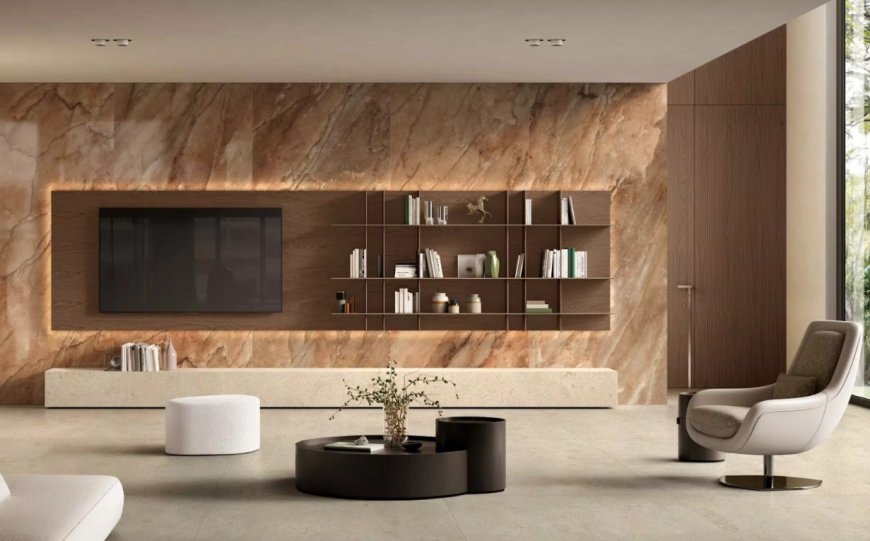
You don’t need matching wall and floor tiles. Combining them can create a dynamic look—like a textured porcelain floor with a sleek ceramic wall tile, or a bold floor design with neutral walls.
When youre selecting tiles for a home projectwhether its a bathroom, kitchen, or full remodelyoull come across wall tiles and floor tiles. The names suggest their purpose: one for walls, one for floors.
But walking into a tile shop can blur the lines. Some tiles seem versatile enough for any surface, and others are marketed for both uses. Without clear guidance, its easy to think all tiles are interchangeable. Thats not true.
Knowing what sets wall and floor tiles apart can prevent costly mistakes, especially in spaces with moisture, heat, or heavy use.
What Defines a Wall Tile?
Wall tiles are usually thin, lightweight, and often have a glossy or polished finish. This suits their rolewalls dont face the same stresses as floors.
Most wall tiles are ceramic, crafted to stick well to vertical surfaces and stay secure without adding excessive weight. Theyre not designed to withstand pressure, so using them on floors risks cracking.
Visually, wall tiles often lean decorative, with small patterns, high-gloss finishes, or glass-like textures that shine on walls but wouldnt survive a busy floor.
What Are Floor Tiles?
Floor tiles are built for toughness. Theyre designed to handle weight, resist slipping, and endure constant use. This makes them thicker, denser, and often textured or matte for better grip.
Porcelain is a go-to material for floor tiles because its durable and handles moisture and wear better than most wall tiles.
Floor tiles are typically larger, which minimizes grout lines and enhances stability, making them perfect for high-traffic areas.
Can You Use Floor Tiles on Walls?
Yes, usually. Floor tiles can create a bold, cohesive look on walls, like large-format tiles in a shower or backsplash, making spaces feel more spacious and modern.
But floor tiles are heavier, so installing them on walls requires extra adhesive and sometimes structural adjustments. Check with your tiles supplier or tiler to ensure your wall can handle the load and the installation is feasible.
Can Wall Tiles Be Used on Floors?
Almost never. Wall tiles arent built for the rigors of foot traffic. They may crack under weight, and their smooth surfaces often lack the slip resistance needed for safe flooring. Even textured wall tiles may wear out quickly if used on floors.
If youre browsing a tile shop and fall in love with a wall tile, dont use it on your floorits likely to lead to damage or safety issues.
The Role of Texture and Finish
Wall tiles often boast smooth, glossy surfaces that are easy to clean and reflect light, making them ideal for walls but risky for floors where grip is essential.
Floor tiles focus on traction, with many rated for slip resistance. This is critical in wet areas like bathrooms or kitchens. A tiles supplier can point you to floor tiles with safe, durable finishes.
Why Thickness and Weight Matter
Floor tiles are thicker and heavier to endure furniture, footsteps, and occasional impacts. This durability ensures they last in busy areas.
Wall tiles are thinner and lighter, making them easier to install on walls without slipping or overloading the structure. Using a wall tile on a floor can lead to breakage, while a floor tile on a wall needs careful installation to stay secure.
Tiles for Wet Spaces
In areas like showers or laundry rooms, tiles need to handle both water and wear. Floors require durable, non-slip tiles, often small-format porcelain with good grip.
Walls can use lighter, smoother tiles like ceramic that are easy to maintain. Ensure any tile in a wet area is rated for moisture resistance to avoid problems like mold or discoloration.
Mixing Wall and Floor Tiles
You dont need matching wall and floor tiles. Combining them can create a dynamic looklike a textured porcelain floor with a sleek ceramic wall tile, or a bold floor design with neutral walls.
A good tile shop can help you pair tiles that work well together. Bring home samples to see how lighting and room size affect their appearance.
Final Thoughts
Wall and floor tiles arent just about where theyre placedtheyre built differently for specific roles. Wall tiles prioritize aesthetics and lightness, while floor tiles focus on strength and safety.
Stick to their intended uses to avoid costly repairs or safety risks. If youre unsure, consult a tile shop Singapore or tiles supplier for guidance to keep your project on track.
Function should guide your tile choices. Get that right, and the design will fall into place effortlessly.