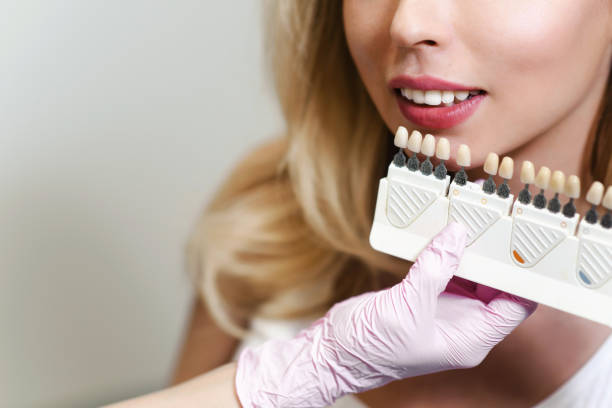




















Behind the Smile: Unmasking Autism in Daily Life
we are traversing the emotional landscapes of the ones who smile while bewildered, frightened, and overstimulated. We are Unmasking Autism—not only the clinical aspects but the lived experiences.

One myriad of definitions describes Autism Spectrum Disorder (ASD): some are loud and visible, whereas some are quiet and deeply masked. In families all over the world, children and adults go through life bearing the unseen burden of "fitting in" while silently anguishing to mentally digest the world around them. And this hidden reality leads to the most alarming challenge in autism care: the misdiagnosis of autism.
On this day, we are traversing the emotional landscapes of the ones who smile while bewildered, frightened, and overstimulated. We are Unmasking Autismnot only the clinical aspects but the lived experiences.
The Quiet Struggle Behind the Smile
So many autistic people, especially girls and high-functioning boys, become very good at covering up their difficulties. They will observe, imitate, and mimic social behaviors that come naturally for most but not for themmasking them for not being truly themselves.
But behind the smile lies tiredness, anxiety, and isolation.
School is tough; public spaces are excruciating; family gatherings feel like torture. The child may smile sweetly for the main marathon of a party but meltdown at home. Or, they may choose to shut down in social settings altogetherthe child misconstrued as bashful or introverted.
Why Unmasking Autism Is So Important
It is not about labeling autism. It is about trying to understand all that is happening below the surface. Early intervention and support are crucial, yet when signs are not recognized or misread, these children invariably end up misdiagnosed.
Common services misdiagnosed for autism may include:
- ADHD: Because of overlapping signs, such as hyperactivity, impulsivity, or attention issues.
- Anxiety disorders: Because many autistic people experience social anxiety and sensory stress.
- Sensory Processing Disorder (SPD): Even though sensitivity is an issue for ASD, it can be falsely attributed only to SPD.
- Behavioral or Oppositional Defiance Disorder: Emotional regulation difficulties might get confused with defiance.
By giving inaccurate names to signs, we end up with a wrong type of supportor worse, no support at all.
Real-Life Examples of Hidden Autism
Aarav is an 8-year-old boy who is always very obedient and smiles at adults; his teachers note that he is very good at school but never seems to socialize. During class, he often repeats lines of his favorite cartoons and is known for having tantrums at home if there is any disruption to his routine, especially when it comes to food.
Or, on the other hand, Simran, the teenager, masks by mimicking her peers. She seems to smile in class while making eye contact with the teacher and contributing to group work. But when school is over, Simran would lock herself in her room, feeling overwhelmed and out of energy. Teenage mood swings, her parents thought, until a psychologist experienced in autism uncovered years of Simran's masking.
These accounts happen often. Many speak to the families who only learned the real cause of their child's confusion after a long, obstructive maze.
How To Start Unmasking Autism
If you suspect that a child-or even yourself-is masking autistic traits, here are steps that can be carried out:
- Study patterns, not events: Autistic traits are stable. Look for repetitive behaviors instead of one-off instances.
- Follow your own hunches: Parents often have an instinct about when "something feels off." Never let anyone brush aside your concern as your overthinking.
- Communicate only with professionals trained in autism: A lot of general practitioners might have no training background spotting subtle signs. Seek out a developmental pediatrician, psychologist for children, or occupational therapist with ASD expertise.
- Listen to the child: A lot of times, children will share their difficulties indirectly-through stories, play, or artwork. Make it a safe space for them to voice their experiences.
- Support without labels: Regardless of whether a diagnosis goes through or not, providing early intervention in communication, sensory needs, or emotional regulation still has a positive impact.
Wrapping Up: From Smiling to Thriving
Unmasking autism is a human-centered endeavor- an enabling of someone to be themselves, free from the fear of disapproval and pressure to conform. For parents, educationalists, and society, the aim isn't to "fix" the child, but to comprehend better and assist in constructing a life, devoid of the need for masking.
At Rachna Autism Care, we believe that every child deserves to be seen, heard, and understood. We will hold the hands of those families until they are all the way through the maze of autism spectrum disorder-no judgment, just whole hearted support.
Let's ensure that the world is one where smiles do not mask pain but represent true comfort and acceptance.