
















Traveling with Baby Formula in Hot Weather: Storage & Safety Tips
Learn how to travel with baby formula in hot weather safely. Get expert storage, mixing, and feeding tips for your next trip with your little one.

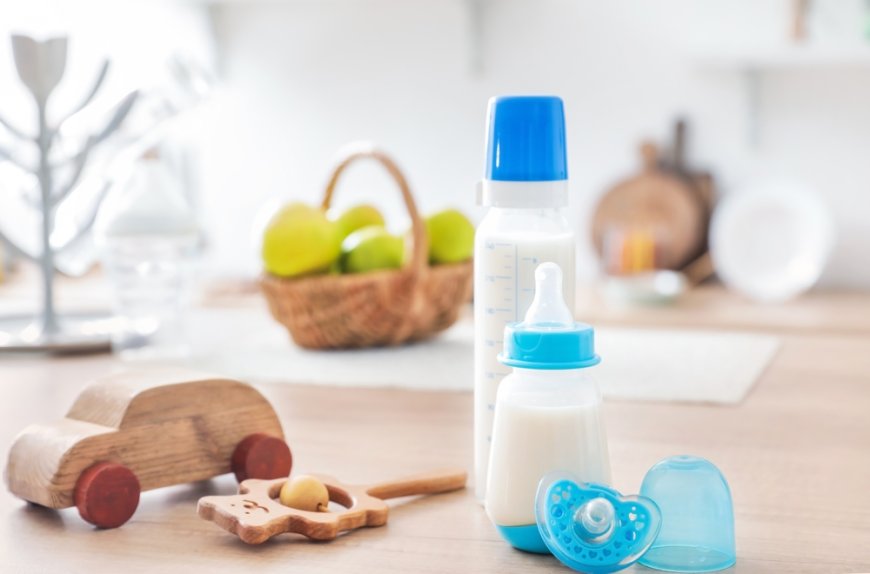
Traveling with a baby brings a unique set of challenges, especially when it comes to feeding on the go. One of the most important aspects parents need to consider is how to travel with baby formula safelyespecially during the summer or in hot weather destinations. Whether youre heading to the beach, going on a road trip, or catching a flight to a warm climate, knowing how to store and prepare formula properly can make all the difference.
In this guide, well explore the essential storage and safety tips every parent should know when traveling with baby formula in hot weather. This will help you enjoy your trip without compromising your babys health and comfort.
1. Understand the Risks of Heat on Baby Formula
When temperatures rise, baby formula becomes more susceptible to bacterial growth, especially when it's been mixed with water. Heat can also impact the integrity of powdered formula if it's not stored correctly.
Whether you're using ready-to-feed, concentrated liquid, or powdered formula, heat can degrade its quality and make it unsafe. This is why understanding proper storage techniques is vital when you travel with baby formula in the summer or to warm destinations.
2. Choose the Right Type of Formula for Travel
Each type of formula comes with different storage needs:
-
Ready-to-feed formula is convenient but usually requires refrigeration after opening.
-
Concentrated liquid formula also needs to be refrigerated after mixing.
-
Powdered formula is the easiest to travel with as long as it's kept cool and dry.
For hot weather travel, powdered formula is generally the safest and most portable option, but parents must still follow the correct preparation and storage procedures.
3. Pack with Insulation in Mind
When packing for a trip, always store formula in a cool, shaded place. Use insulated cooler bags, ice packs, or thermally lined bottle bags to prevent formula from heating up.
If you're on a road trip, avoid placing formula near car windows or in the trunk, where heat builds up quickly. For air travel, check with your airline about carrying formula and liquids. Most allow baby formula in reasonable quantities even if it exceeds normal liquid limits.
Pro Tip: Use a thermal bottle carrier to keep both hot water (for mixing) and premixed formula at a safe temperature for hours.
4. Mix Formula Only When Needed
To avoid spoilage, only mix formula when its time to feed your baby. Pre-mixed bottles, especially in hot weather, can spoil within 12 hours if not refrigerated.
Instead, carry:
-
Pre-measured powdered formula in a dry container
-
Sterile or boiled water in a separate bottle or thermos (kept at safe temperature)
This not only ensures freshness but also makes feeding on-the-go easier.
Brands like Travel Villa Guide recommend travel-size formula dispensers for day trips, especially when you're exploring outdoor destinations. These allow you to quickly mix a bottle without measuring under stressful or hot conditions.
5. Keep Hands and Surfaces Clean
Cleanliness is especially important when traveling in warm weather. Sweaty hands or dusty public spaces can transfer bacteria to bottles and formula.
-
Use sanitizing wipes to clean your hands before preparing formula
-
Bring travel-size dish soap and a bottle brush for cleaning bottles
-
Opt for single-use sterilized bottles if you're camping or in places without access to clean water
Always prepare bottles in a shaded, clean environmentpreferably indoors or under a shaded structure if outside.
6. Monitor Feeding Times and Temperature
Once a formula bottle is mixed, use it within 1 hour if left at room temperature, and discard any leftover formula after feeding. Do not reheat formula or store it for later use after feeding begins.
Avoid leaving bottles in a stroller cup holder under the sun or on a picnic table. Instead, use insulated pockets or coolers.
Also, remember:
-
Babies prefer lukewarm milk, not hot.
-
Test formula temperature on the inside of your wrist before feeding.
-
Avoid adding formula to water that is too hot, as it can break down nutrients.
7. Hydration is Key in Hot Weather
Hot weather can lead to dehydration in babies faster than normal. If your baby is formula-fed, ensure regular feeds and watch for signs of dehydration such as fewer wet diapers, fussiness, or a dry mouth.
Do not dilute formula with extra water to "cool them down"this can be dangerous and lead to water intoxication. Stick to the correct mixing ratio as directed on the packaging.
8. Be Prepared for Delays
Whether you're stuck in traffic or your flight is delayed, always carry extra formula, clean water, and bottles. A well-stocked diaper bag with backup essentials can be a lifesaver.
Also include:
-
Extra bibs and burp cloths
-
A small ice pack or mini cooler
-
Formula storage containers
-
A hand sanitizer or baby-safe sanitizing spray
Being over-prepared helps keep feeding stress-free even when plans change unexpectedly.
Conclusion
Hot weather doesnt have to complicate your travel plans with a baby. With the right tools, storage options, and hygiene practices, you can confidently travel with baby formula and keep your little one safe, hydrated, and well-fed.
Planning ahead and being mindful of temperature-related risks will allow you to focus more on making beautiful memoriesand less on worrying about feeding logistics.
For more practical baby travel tips, gear reviews, and destination guides, Travel Villa Guide is your go-to resource for hassle-free family adventures.