




















The Ultimate Lifeguard Training Checklist
With a proven track record in lifeguard certification and training, ALA serves as the gold standard for individuals who are serious about making a difference.

Whether youre diving into your first season as a lifeguard or preparing to lead a team at a bustling aquatic center, one thing remains clear: lifeguard training is no casual swim. Its a high-responsibility, physically demanding, and mentally alert role that demands the best from its candidates.
To help lifeguards rise to this challenge, the American Lifeguard Association (ALA) has become a nationally recognized leader in shaping elite professionals in aquatic safety. With a proven track record in lifeguard certification and training, ALA serves as the gold standard for individuals who are serious about making a difference.
So grab your whistle and flip-flopswere diving into the ultimate lifeguard training checklist. Whether youre training on the beach, at the pool, or preparing for competitive events, this guide ensures youre not just readyyoure rescue-ready.
1.Obtain Certification Through a Trusted Organization
Your journey starts here.
Before you can even step onto the stand, you need to complete a recognized certification program. The American Lifeguard Association (ALA) offers online and blended courses that align with U.S. standards and are accepted by aquatic facilities nationwide.
Your Certification Should Cover:
-
Lifeguarding principles
-
First aid and CPR/AED for the professional rescuer
-
Emergency oxygen administration
-
Preventative safety strategies
-
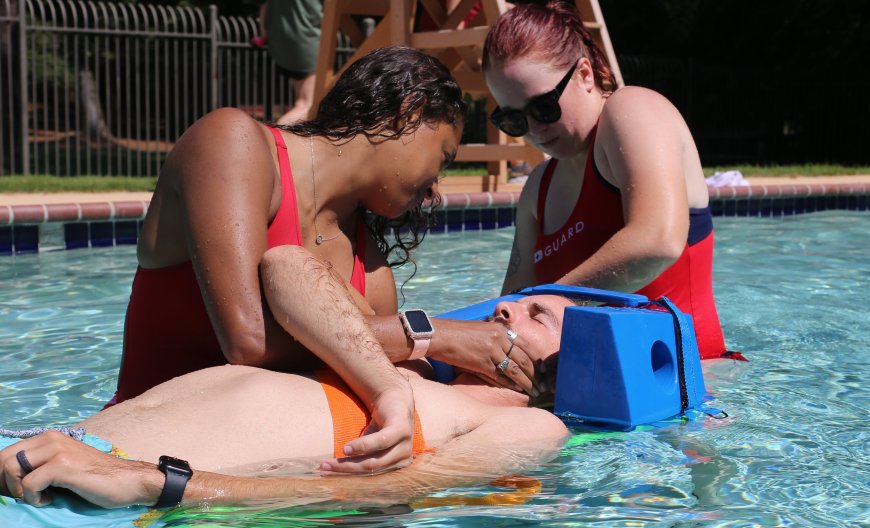
Spinal injury management
ALAs courses are designed for accessibility, flexibility, and relevancemaking it the go-to for athletes, students, and professionals looking to add rescue skills to their toolkit.
2.Meet the Minimum Fitness Requirements
Lifeguarding is as much a physical sport as it is a safety role. Strong swimming skills, speed, and endurance are crucial to rescue operations.
ALA recommends that all candidates meet the following fitness standards before training begins:
-
Swim 300 yards continuously using front crawl and breaststroke
-
Tread water for 2 minutes using only legs
-
Complete a timed event: retrieve a 10-pound object from a depth of 710 feet, surface, and swim 20 yards holding the object
Pro Tip: Train like an athlete. Interval training, water sprints, and resistance workouts will help improve your water fitness and rescue-readiness.
3.Understand Aquatic Hazards & Environmental Awareness
Training with the ALA emphasizes not only rescue techniques but also environmental vigilance.
Lifeguards must be able to assess dynamic environments. Whether monitoring wave patterns at the ocean or checking pool chemical levels, awareness is key to prevention.
Checklist Includes:
-
Weather and water current awareness (beach lifeguards)
-
Pool chemical safety protocols
-
Spotting rip currents, drop-offs, and submerged hazards
-
Understanding aquatic wildlife risks
Being observant and proactive is what separates a good lifeguard from a great one.
4.Master Rescue Techniques & Equipment Use
From passive victims to panicked swimmers, lifeguards must be prepared for every rescue scenario.
ALA-Accredited Programs Cover:
-
In-water rescues (active and passive)
-
Use of rescue tubes, backboards, and rescue buoys
-
Deck-level assists and non-contact rescues
-
Team-based extrication drills
Lifeguards should also be familiar with communication equipment (two-way radios, whistles) and ensure all gear is in good condition before every shift.
5.First Aid & Emergency Medical Response Proficiency
Its not just about pulling people from the waterits about what happens after.
ALA ensures that all certified lifeguards receive training in CPR, AED, and First Aid. These skills must be refreshed regularly and practiced often.
Your Medical Checklist Should Include:
-
Adult and child CPR with AED
-
Rescue breathing and choking response
-
Controlling bleeding and managing wounds
-
Shock recognition and spinal injury protocol
Make sure your first aid kit is stocked and accessible, and practice your emergency scenarios regularly.
6.Team Communication and Scene Leadership
In an emergency, every second counts. Clear, confident communication is as vital as physical strength.
ALA-certified lifeguards are trained to act as leaders during high-stress situations. Whether signaling for assistance or directing evacuations, you must be cool under pressure.
Key Team Communication Skills:
-
Use of hand signals and radio codes
-
Coordinated response drills
-
Emergency action planning (EAP)
-
Delegation during rescue and medical scenarios
7.Regular In-Service Training and Simulations
Training doesnt stop once youre certified. Lifeguards should participate in monthly in-service training to stay sharp.
ALA recommends simulated emergency drills that include:
-
Spinal injury extractions
-
Multiple victim scenarios
-
Cardiopulmonary resuscitation under stress
-
High-volume crowd management
Just like athletes run plays before a game, lifeguards must practice their game plan before emergencies arise.
8.Maintain Mental & Emotional Resilience
Lifeguarding can be mentally taxing. From witnessing traumatic incidents to dealing with uncooperative patrons, resilience is a must.
ALA encourages lifeguards to:
-
Engage in peer debriefs after incidents
-
Learn basic mental health first aid
-
Practice mindfulness or stress-reduction techniques
-
Prioritize hydration, sleep, and nutrition
Being physically fit is crucial, but mental readiness ensures peak performance under pressure.
9.Follow Facility Protocols and Legal Regulations
Every facility has unique policies, and every state may have varying legal requirements.
ALA training integrates legal awareness, covering liability issues, documentation protocols, and standards of care.
Checklist:
-
Read and sign-off on your facility's Standard Operating Procedures (SOP)
-
Understand reporting duties and legal liability
-
Keep certifications up to date and visibly posted
-
Log all incidents clearly and promptly
Being legally informed is part of being a responsible lifeguard.
10.Promote Water Safety in the Community
ALAs mission extends beyond the waters edge.
As a lifeguard, you are also an educator and advocate. Engage in community safety workshops, talk to kids about swimming safely, and promote fitness and prevention.
Ideas for Outreach:
-
Host water safety days at local pools or schools
-
Use social media to share safety tips
-
Participate in ALAs national safety campaigns
-
Encourage others to pursue lifeguarding as a sport or career
Why Choose the American Lifeguard Association (ALA)?
The American Lifeguard Association is more than just a certifying bodyits a movement.
With over 30 years of excellence, the ALA has trained thousands of lifeguards globally. Their programs are trusted by recreational facilities, sports complexes, and public health departments alike.
By choosing ALA, you align with a recognized leader in aquatic safety, and you join a legacy of professionalism, community service, and athletic excellence.
Final Thoughts
Lifeguarding is more than a summer jobits a responsibility, a lifestyle, and in many ways, a sport. With the right training, tools, and mindset, you can be the hero that swimmers, families, and communities rely on.
Use this checklist to guide your training and remember: when seconds count, preparation is everything.
Let the American Lifeguard Association be your partner on this journeyfrom certification to daily excellence. Because when it comes to saving lives, only the best will do.