



















The Science Behind Sedation: How Sleep Dentistry Works in Your Body
Experience stress-free dental care with sleep dentistry. Discover how a Tampa dentist uses sedation to ensure comfort during every procedure.

Dental anxiety is a real and common issue. For many patients, fear of pain, needles, or simply the sound of dental equipment can keep them from seeking much-needed dental care. This is where sleep dentistry, also known as sedation dentistry tampa, steps in, offering a safe, effective way to help patients feel calm, relaxed, and pain-free during dental procedures. But how exactly does it work? Lets explore the science behind sedation and how it affects your body.
What Is Sleep Dentistry?
Sleep dentistry involves the use of medication to help patients relax during dental procedures. Contrary to what the name suggests, patients are not always fully asleep. Depending on the type and level of sedation used, you may feel drowsy, slightly aware, or fully unconscious.
When looking for sleep dentistry , its important to understand that this technique is tailored to the individuals level of anxiety, health status, and the complexity of the procedure.
Types of Sedation and How They Work
Different forms of sedation are used in sleep dentistry, each affecting the body in unique ways:
1. Nitrous Oxide (Laughing Gas)
Nitrous oxide is a mild sedative inhaled through a small mask placed over the nose. It takes effect within minutes and works by slowing down your bodys response to stimulation. This gas triggers the release of dopamine, a "feel-good" chemical in the brain, helping you feel calm and light-headed. Once the procedure is complete, the gas wears off quickly, allowing most patients to resume their day without lasting effects.
2. Oral Sedation
Oral sedation involves taking a pill, such as Halcion or Valium, about an hour before the appointment. The medication travels through your digestive system, into your bloodstream, and eventually affects the central nervous system. Patients often remain awake but feel deeply relaxed and may remember very little about the procedure afterward. This form of sedation is great for moderate anxiety or longer dental sessions.
3. IV Sedation
Administered directly into a vein, IV sedation provides a deeper level of relaxation and takes effect almost immediately. The sedative influences the brain's GABA receptors, which reduce neural activity and produce a calming, sleep-like state. This option is ideal for patients undergoing complex treatments or experiencing severe dental fear.
4. General Anesthesia
Used in rare cases, general anesthesia puts the patient into a completely unconscious state. This is typically reserved for oral surgery or special needs patients who cannot tolerate other forms of sedation.
What Happens to Your Body During Sedation?
Sedatives primarily target the central nervous system. They decrease your awareness of pain and surroundings, slow your breathing and heart rate slightly, and reduce muscle tension. This creates a calming effect that allows the dentist to work efficiently while you remain comfortable.
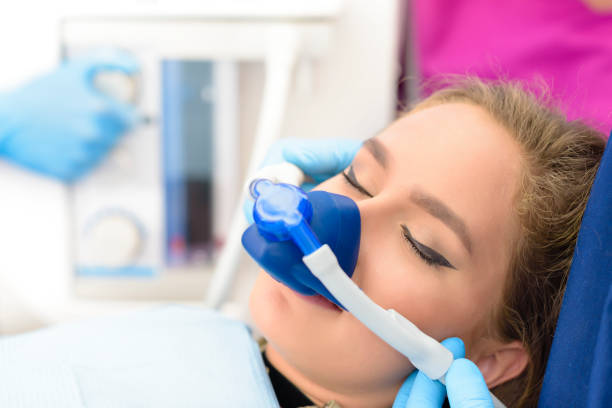
In many cases, patients experience anterograde amnesia, meaning they wont remember much of the procedure. This is especially beneficial for those with dental phobia, as it breaks the cycle of fear associated with dental visits.
Is Sleep Dentistry Safe?
Yes, when administered by a trained and licensed professional, sedation is extremely safe. Before recommending sedation, your dentist will evaluate your medical history, current medications, and overall health to ensure you're a good candidate.
If you're searching for sleep dentistry, make sure you choose a dental practice that prioritizes patient safety and offers multiple sedation options customized to your needs.
Why More Patients Are Choosing Sedation
The demand for sleep dentistry continues to grow, especially among those who have:
-
Severe dental anxiety
-
A low pain threshold
-
A strong gag reflex
-
Difficulty sitting still for long periods
-
Multiple procedures needed in one visit
A trusted Tampa dentist can walk you through your sedation options and ensure you receive the most comfortable experience possible.
Final Thoughts
Sleep dentistry is not just about making dental visits bearable, its about transforming them into stress-free, manageable experiences. Thanks to advances in sedation techniques, patients no longer need to avoid treatment due to fear or discomfort.