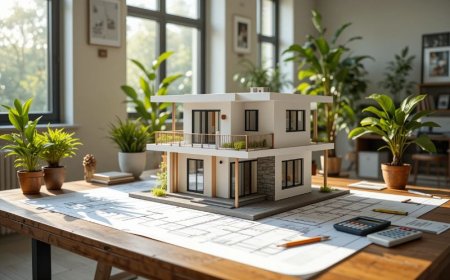





















Residential Estimating: The Foundation of Accurate Home Construction Planning

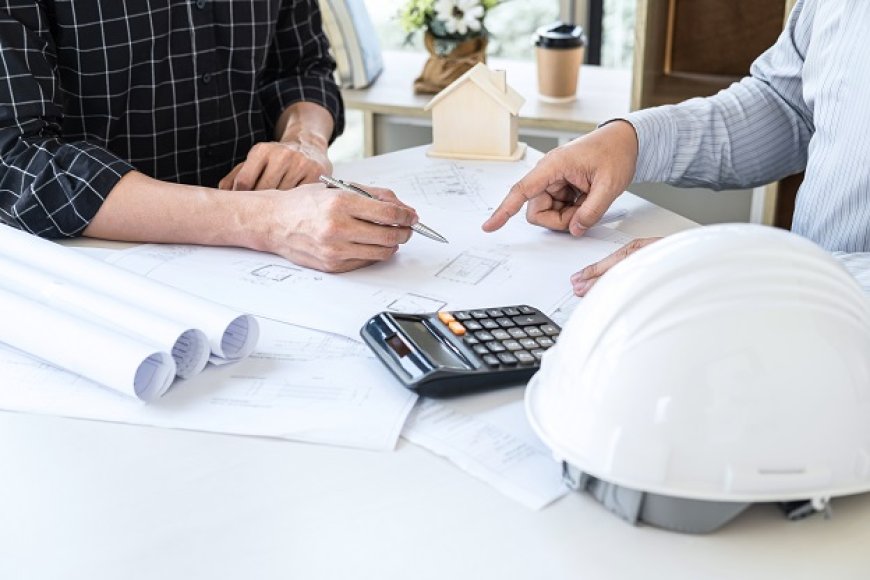
In residential construction, the success of a project hinges not only on quality workmanship and materials but also on accurate planning from the outset. One of the most critical steps in that process is residential estimating. Whether you're building a new custom home, remodeling a kitchen, or adding a second story, residential estimating ensures that your vision is matched by a realistic, data-backed budget.
This comprehensive practice encompasses everything from quantity takeoffs to labor cost projections, material pricing, and overall budget forecasting. It provides homeowners, builders, architects, and subcontractors with a detailed understanding of costs before breaking ground.
What Is Residential Estimating?
Residential estimating refers to the process of calculating the total costs associated with a residential construction or renovation project. It is based on architectural drawings, specifications, material requirements, labor demands, and regional pricing.
Unlike commercial estimating, residential estimating focuses on smaller-scale builds and remodels, often requiring a more personalized approach. It typically includes:
-
? Quantity Takeoffs (QTO)
-
? Material and Labor Cost Estimations
-
? Equipment and Tool Requirements
-
? Subcontractor Pricing
-
? Permits, Fees, and Contingencies
-
? Project Overhead and Profit Margins
Whether its a single-room renovation or a full-scale new build, residential estimating lays the financial groundwork for every project phase.
Why Residential Estimating Is Essential
A well-structured estimate helps stakeholders avoid unexpected costs, delays, and disputes. It empowers decision-making, facilitates budget approvals, and keeps projects on track from concept to completion.
? Budget Clarity
An accurate estimate provides a realistic budget that reflects every detail of the build or remodel.
? Informed Bidding
Contractors use estimates to submit competitive bids that still protect their margins.
? Risk Management
By accounting for all known variables, estimating minimizes the risk of scope creep and cost overruns.
? Improved Resource Planning
Knowing labor hours and material quantities in advance enables smarter purchasing and scheduling.
? Enhanced Project Control
Estimates act as a benchmark for tracking progress, managing invoices, and measuring profitability.
Without residential estimating, even the smallest oversight can turn into a costly mistake.
Who Uses Residential Estimating?
The practice of residential estimating supports a wide range of users across the construction ecosystem:
?? General Contractors
Prepare bids, purchase materials, and manage subcontractor scopes based on clear, itemized estimates.
? Subcontractors
Electricians, plumbers, painters, and HVAC specialists use estimates to price their trade-specific portions accurately.
?? Custom Home Builders
Require precise budgets to secure financing, maintain profit margins, and communicate clearly with clients.
? Homeowners and Owner-Builders
Use estimates to evaluate contractor bids, make informed design choices, and secure bank loans or home improvement financing.
??? Architects and Designers
Help clients understand the cost implications of design choices during the planning phase.
From professionals managing large-scale builds to homeowners navigating their first renovation, everyone benefits from clear, comprehensive estimates.
Types of Projects Requiring Residential Estimating
Residential estimating is applied across many types of projects, each with distinct scopes and challenges:
? New Home Construction
Whether its a custom single-family home or a tract development, estimates provide essential data on structural materials, finishes, labor, and equipment.
? Remodeling and Renovation
Interior renovationslike kitchens, bathrooms, and basementsrequire tailored estimates that account for demolition, framing, finishes, and MEP systems.
?? Home Additions
Second-story builds, garage conversions, and room expansions involve structural, electrical, HVAC, and roofing components, all requiring precise takeoffs.
? Exterior Upgrades
Estimating for decks, patios, fencing, siding, roofing, and landscaping projects provides homeowners with a full understanding of scope and costs.
?? Multi-Unit Residential
Duplexes, townhomes, and small apartment buildings need scalable estimating solutions that address repeated layouts and bulk material pricing.
Each of these project types requires a unique estimating approach to achieve accurate results.
Key Components of a Residential Estimate
An effective residential estimate should cover all aspects of a project, clearly and thoroughly. Major components include:
? Quantity Takeoffs
Calculating the exact quantities of materials requiredlumber, concrete, drywall, insulation, roofing, finishes, and fixtures.
? Labor Cost Estimation
Determining the hours required for each task based on project size, complexity, and regional labor rates.
? Material Pricing
Using current market data from national suppliers, local vendors, or pricing databases like RSMeans.
? Equipment and Tool Rental
Factoring in scaffolding, dumpsters, lifts, mixers, and other tools necessary for the job.
? Indirect Costs
Includes permits, inspections, general conditions, insurance, and contingencies for unknowns or changes.
? Overhead and Profit
Applies markups to account for company overhead and desired profit margin.
These line items should be organized by construction division (e.g., CSI MasterFormat) or trade for clarity.
Software and Tools Used in Residential Estimating
Estimators rely on specialized tools to ensure accuracy, speed, and consistency:
-
PlanSwift Fast digital takeoffs directly from architectural plans
-
Bluebeam Revu PDF measurement and markup tools
-
STACK Cloud-based takeoff and estimating platform
-
RSMeans / Craftsman Costbook National construction cost data
-
Microsoft Excel Customizable templates for building and presenting estimates
-
Xactimate Insurance-related estimating (popular in restoration work)
-
AutoCAD / Revit Used in coordination with BIM models for precise material quantities
These tools reduce human error and enhance the professional delivery of each estimate.
Advantages of Professional Residential Estimating
?? Time-Saving
Outsourcing or systematizing estimating saves contractors hours of manual plan reviews and calculations.
? Bid More Work
Accurate, well-organized estimates allow contractors to confidently submit more bids without compromising quality.
? Scope Definition
Estimates clarify the project scope and help avoid misunderstandings or missed tasks.
? Cost Control
Estimates help avoid over-ordering materials and ensure that project budgets are followed throughout construction.
? Improved Profitability
With every cost accounted for, contractors can price jobs to win while maintaining healthy margins.
Residential estimating is not just a planning tool its a business advantage.
The Estimating Process
Residential estimating follows a detailed, methodical process to ensure thoroughness:
1. Project Review
Gather construction documents including plans, elevations, product selections, and specifications.
2. Takeoffs
Digitally or manually measure all required materials and labor units using architectural drawings.
3. Apply Unit Pricing
Assign cost values to each item or task using regional pricing and productivity benchmarks.
4. Calculate Labor and Equipment
Account for labor hours, crew productivity, and required tools or rentals.
5. Add Markups and Conditions
Include project overhead, profit, taxes, fees, and contingency allowances.
6. Compile and Deliver Estimate
Submit the final report in a clear format, typically Excel or PDF, with line-item breakdowns.
Each step is designed to produce accurate, transparent, and professional estimates that align with client expectations and project goals.
Final Thoughts
In residential construction, accuracy is everything especially when it comes to budgeting. Residential estimating is more than just number-crunching; its a strategic service that drives clarity, consistency, and control across the entire construction process.
From material planning and labor scheduling to competitive bidding and client communication, professional estimating transforms how builders and homeowners approach projects. Whether youre planning a small renovation or building a luxury home from the ground up, an accurate estimate is your most valuable asset.