Mexico Flag Meaning: What Each Color and Symbol Stands For

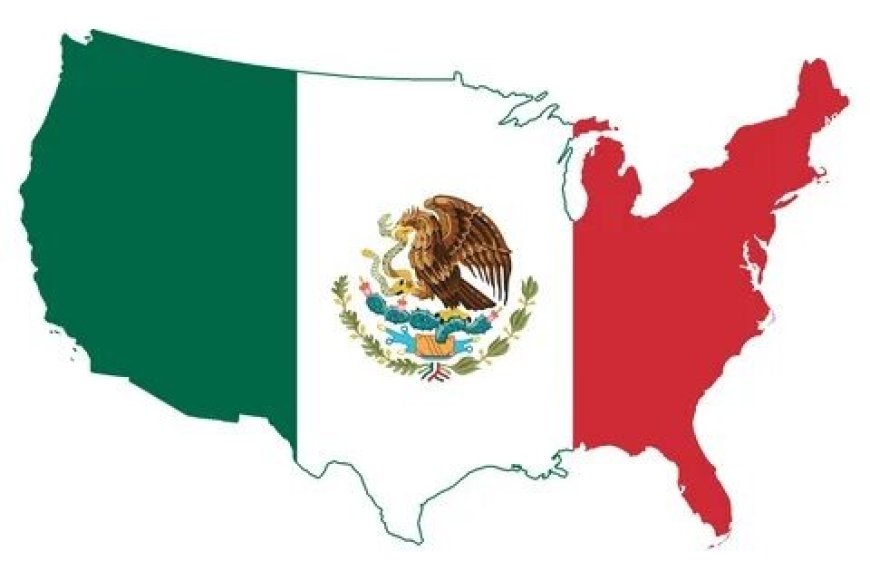
The Mexico flag is more than just a bannerit is a powerful reflection of the countrys history, cultural pride, and enduring independence. With its striking green, white, and red stripes and an intricate central emblem, the flag is a visual narrative that tells the story of Mexicos past, values, and aspirations. In this article, well uncover the deep-rooted meanings behind each color and symbol on the Mexico flag, explain how it has evolved, and why it continues to inspire national pride across generations.
The Origins of the Mexico Flag: A Brief Historical Overview
Understanding the Mexico flag begins with its revolutionary roots. The modern design is influenced by the banner carried by Miguel Hidalgo, the priest who sparked the War of Independence in 1810. Over time, the flag underwent multiple design changes reflecting Mexico's political shiftsfrom monarchy to empire to republicuntil the current version was officially adopted in 1968.
This evolution shows how national identity and symbolism are constantly shaped by historical events. But even through these changes, the three-color scheme and the iconic emblem remained central, preserving the cultural essence of the Mexico flag.
What the Three Colors Represent
Each stripe on the Mexico flag carries its own meaning, reflecting core values that resonate with citizens of all generations. Lets break down what each color symbolizes.
Green: Hope and Independence
Originally, the green stripe stood for independence from Spanish rule, a dream that sparked one of the longest independence wars in Latin America. Over time, it has also come to represent hopeboth political and spiritualserving as a symbol of unity and progress.
White: Unity and Purity
The central white band historically symbolized the purity of the Catholic faith, which was a major part of the national identity during the early years of independence. Today, it is more broadly associated with unity, reflecting the diverse yet interconnected people of Mexico.
Red: Blood of National Heroes
The red stripe pays tribute to the bravery and sacrifice of those who fought for Mexicos freedom. It honors the blood of fallen heroes, revolutionaries, and ordinary people who gave their lives to shape the countrys future.
The Iconic Coat of Arms: More Than Just an Eagle
At the heart of the Mexico flag is a detailed emblem that holds deep historical and mythological meaning. This coat of arms features an eagle perched on a prickly pear cactus, clutching a serpent in its beak and talon. Here's what it represents:
The Aztec Legend Behind the Eagle
The emblem is rooted in an Aztec prophecy. According to legend, the gods told the Aztecs to build their city where they found an eagle sitting on a cactus, eating a serpent. That site became Tenochtitln, now Mexico City. The image symbolizes divine approval and the founding of a great civilization.
The Cactus and the Lake
The cactus represents the land of Tenochtitln, while the snake may signify the triumph of good over evil, or the harmony between man and nature. The original setting for the legend was an island in Lake Texcoco, hence the emblem's association with water and land.
Modern Symbolism of the Emblem
Today, the emblem is not just a reference to ancient mythology; it also serves as a metaphor for resilience, strength, and triumph over adversity. The eagles posturestrong and assertivereflects the character of the Mexican people.
The Evolution of the Flag: Changes Through Time
The current Mexico flag was officially confirmed on September 16, 1968, but earlier versions date back to the 1820s. Over the decades, various governments altered the shape, style, and position of the eagle. Each version reflected the ruling regimes ideologiesfrom imperial eagles under monarchies to simplified versions during revolutionary periods.
However, the 1968 design has remained unchanged for over 50 years, representing stability and national continuity in modern Mexico.
How the Mexico Flag Reflects National Identity
For Mexicans, the flag is more than a decorative object or a national requirementit is an emotional symbol. It is seen at schools, government buildings, and homes. On Flag Day (Da de la Bandera) celebrated every February 24th, citizens honor the flag with parades, ceremonies, and speeches.
The Mexico flag represents unity in diversity, bringing together indigenous heritage, colonial history, and modern aspirations. It is a source of pride for Mexicans both at home and abroad.
Global Recognition and Cultural Impact
The Mexico flag is one of the most recognizable flags globally due to its bold design and rich cultural meaning. It appears in global events like the Olympics, international summits, and even in pop culture. Mexican communities around the world proudly display it during national holidays such as Cinco de Mayo and Mexican Independence Day.
Beyond politics, it serves as a symbol of cultural prideworn on clothing, painted in murals, and included in school projects that teach children about their heritage.
Mexico Flag Etiquette: How Its Treated with Respect
In Mexico, the flag is treated with high levels of reverence. There are strict regulations about its usage, storage, and public display. Citizens are expected to stand and salute during the national anthem and when the flag is raised or lowered. Damaging or disrespecting the flag is considered a serious offense.
These practices reflect the emotional and historical significance the Mexico flag holds in the hearts of its people.
Fun Facts You May Not Know
-
The Mexican flag ranks as one of the most beautiful national flags according to global surveys.
-
Schools in Mexico hold flag ceremonies every Monday morning to honor the national symbol.
-
The exact design and proportions of the flag are protected by Mexican law, and reproductions must follow official standards.
Final Thoughts on the Power of a Symbol
The Mexico flag is more than a piece of fabric; its a visual representation of centuries of history, struggle, and pride. Each elementwhether its the vibrant colors, the ancient emblem, or the layoutcontributes to a deep narrative about what it means to be Mexican. For anyone curious about Mexicos heritage, understanding the Mexico flag is a perfect place to start.