


















How Zero Discharge Systems Work: A Step-by-Step Explanation
Zero Discharge Systems represent a significant leap toward sustainable industrial water management. By recovering and reusing nearly all process water, industries can protect natural resources, comply with environmental standards, and enhance operational efficiency.

What Are Zero Discharge Systems?
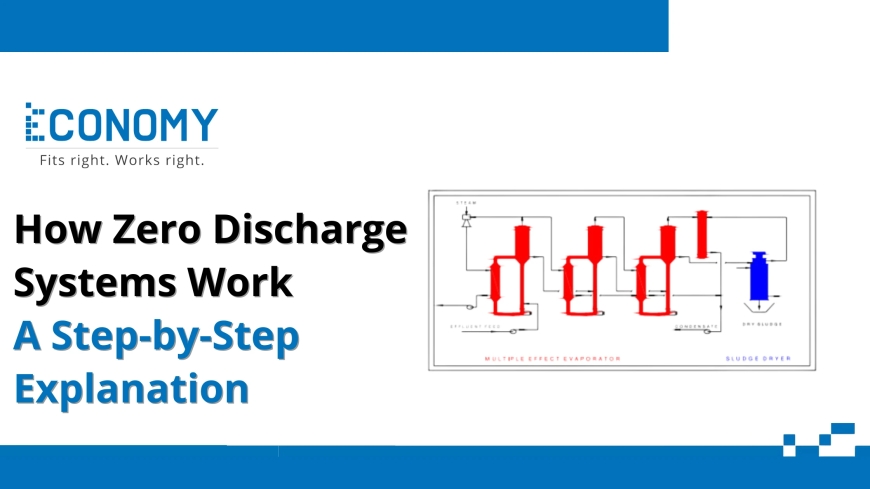
Zero Discharge Systems (ZDS) are advanced wastewater treatment setups designed to eliminate the discharge of any liquid waste from industrial processes. The goal is to treat, recover, and reuse all water within the system, leaving no effluent released into the environment. This approach ensures sustainable water management and strict compliance with environmental regulations.
Understanding the Basics of Zero Discharge Systems
Zero Discharge Systems operate on a closed-loop concept where wastewater generated from industrial operations is treated through a series of steps to remove contaminants, concentrate solids, and recover usable water. The remaining solid waste is safely handled or repurposed. The system relies on both physical and chemical treatment technologies to achieve zero liquid discharge.
Definition and Key Features of ZDS
A Zero Discharge System is defined as a water treatment process in which no industrial effluent is released into the environment. All the wastewater is either reused within the facility or transformed into solid waste for safe disposal. Key features include:
-
High recovery of process water
-
Advanced treatment technologies like reverse osmosis, evaporation, and filtration
-
Reduction of environmental footprint
-
Compliance with government norms
Importance of Zero Discharge in Modern Industries
With increasing water scarcity and environmental regulations, industries must adopt sustainable practices. Zero discharge helps conserve water, reduce pollution, and maintain regulatory compliance. It also enhances a companys corporate image and operational efficiency.
Common Applications of ZDS
ZDS is used across various industries, including:
-
Textile and dyeing
-
Chemical and pharmaceutical
-
Food and beverage
-
Pulp and paper
-
Power plants and steel manufacturing
Each sector uses ZDS to manage complex wastewater streams and reduce freshwater consumption.
Step-by-Step Guide to Zero Discharge Systems
A Zero Discharge System follows a systematic, multi-stage approach to treat and recycle all industrial wastewater. Each step is designed to remove contaminants, recover usable water, and safely handle residuals. Heres a Step-by-Step Guide to Zero Discharge Systems.
The Zero Discharge Process Explained
The ZDS process involves multiple stages to treat and reuse wastewater effectively:
-
Collection and Characterization: Wastewater is collected and analyzed for its physical and chemical properties.
-
Primary Treatment: Large solids and floating materials are removed through screening and sedimentation.
-
Secondary Treatment: Biological or chemical treatments reduce organic content, suspended solids, and nutrients.
-
Advanced Treatment: Membrane filtration (e.g., Reverse Osmosis) and thermal evaporation remove dissolved solids.
-
Water Recovery and Recycling: Clean water is recovered and redirected for use in processes like cooling, cleaning, or boiler feed.
-
Solid Waste Handling: Concentrated brine or sludge is dewatered and disposed of or reused in safe applications.
Technologies Behind Zero Discharge Systems
Zero Discharge Systems rely on a combination of conventional and advanced technologies, including:
-
Ultrafiltration (UF) and Reverse Osmosis (RO) for membrane separation
-
Multi-effect Evaporators (MEE) and Mechanical Vapor Recompression (MVR) for thermal separation
-
Crystallizers for salt and solid recovery
-
Sludge dryers and filter presses for solid waste management
Automation and real-time monitoring enhance system performance and efficiency.
Key Equipment and Processes in ZDS
A typical ZDS setup may include:
-
Equalization tanks
-
Chemical dosing systems
-
UF/RO skids
-
Evaporators and condensers
-
Sludge drying and handling units
These components work in sequence to treat and recycle the wastewater stream effectively.
Benefits of Adopting Zero Discharge Systems
Industries that implement ZDS gain several advantages:
-
Compliance with environmental discharge norms
-
Water conservation, reducing dependency on freshwater sources
-
Cost savings in the long run through water reuse
-
Improved sustainability and corporate responsibility
-
Reduced environmental liability from water pollution
Why Zero Discharge Systems Are Essential
As freshwater resources shrink and industrial demands rise, ZDS has become a vital solution for sustainable industrial growth. Governments worldwide are tightening discharge norms, and ZDS provides a future-ready way to align with these regulations while protecting the environment.
Case Studies: Industries Successfully Using ZDS
In Tirupur, India, textile units adopted Zero Liquid Discharge (ZLD) systems to comply with court mandates after groundwater contamination. These systems helped industries resume operations while preserving local water bodies.
In the Middle East, several oil and gas facilities use advanced ZDS to recycle water in arid regions where freshwater is limited, showcasing environmental responsibility and innovation.
Real-World Examples of Zero Discharge Systems
-
Pharmaceutical companies use ZDS to treat chemical-laden effluents while recovering clean water.
-
Food processing plants apply ZDS to manage organic-rich waste and comply with hygiene regulations.
-
Power plants use thermal ZDS systems to recycle blowdown water from cooling towers, minimizing water wastage.
Conclusion
Zero Discharge Systems represent a significant leap toward sustainable industrial water management. By recovering and reusing nearly all process water, industries can protect natural resources, comply with environmental standards, and enhance operational efficiency. As water scarcity and pollution concerns rise, adopting ZDS isnt just a smart moveits an essential one for the future of responsible industry.