How To Manage Sibling Rivalry with Positive Parenting Tools
Positive parenting offers effective, compassionate tools to handle sibling rivalry in a way that nurtures strong sibling bonds and emotional development.

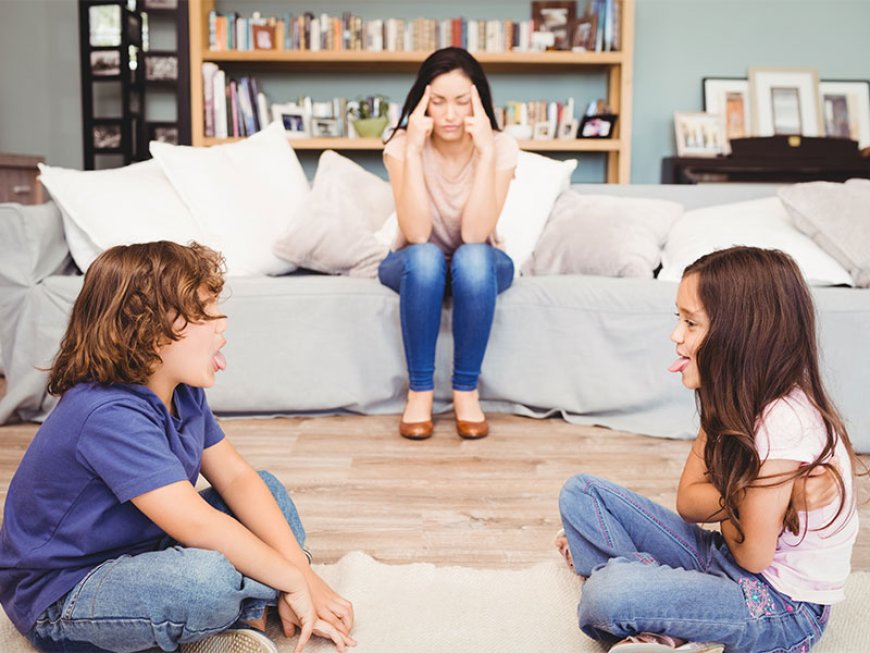
Sibling rivalry is a natural part of growing up in a multi-child household. While it can be exhausting for parents to deal with bickering, jealousy, and competition between siblings, it also presents an opportunity to teach essential life skills like empathy, conflict resolution, and cooperation. Positive parenting offers effective, compassionate tools to handle sibling rivalry in a way that nurtures strong sibling bonds and emotional development.
Understand the Roots of Rivalry
Before diving into solutions, its important to understand why sibling rivalry happens. Children compete for their parents attention, approval, and affection. They may feel insecure when a new baby arrives, perceive unfair treatment, or simply clash in personality and temperament. Rivalry often peaks during certain developmental stages, especially when children are learning to assert independence.
Recognizing these underlying causes helps parents respond with empathy rather than frustration. Instead of asking, Why are they always fighting? try asking, What are they trying to communicate through this behavior?
1. Foster Individual Identity
One of the biggest triggers for rivalry is comparison. When children feel compared to their siblingswhether in academics, behavior, or physical abilitiesthey may act out to stand out or get attention.
Positive parenting tip:
Celebrate each childs unique qualities. Avoid labels like the smart one or the athletic one. Spend one-on-one time with each child, even if its just 10 minutes a day doing something they enjoy. This individual attention reassures them they are loved for who they arenot in comparison to a sibling.
2. Stay Neutral in Conflicts
Its tempting to step in as the referee and declare a winner and loser during sibling fights. But this often increases resentment and fuels more conflict later. Instead of taking sides, guide your children to resolve the issue themselves using respectful communication.
Positive parenting tip:
Coach them through a solution. For example, say: I see youre both upset. Can we talk about what happened and how we can fix it? Teaching conflict resolution skills like listening, expressing feelings without blame, and taking turns helps children manage disagreements more constructively.
3. Model the Behavior You Want to See
Children learn how to handle conflict by watching their parents. If they see adults shouting, criticizing, or ignoring each other during disagreements, theyre likely to mimic those behaviors. Conversely, witnessing calm discussions and respectful disagreement teaches them healthy ways to relate to others.
Positive parenting tip:
Be mindful of how you express frustration, especially around your children. Apologize if you lose your temper and explain how you could have handled things differently. Demonstrating emotional regulation shows kids its okay to be upsetbut there are kind and respectful ways to express it.
4. Set Clear, Fair Rules
Children thrive when they know whats expected of them. Having family rules about kindness, sharing, and physical boundaries can prevent a lot of sibling squabbles. The key is consistencyrules should apply to all children and be enforced with empathy, not punishment.
Positive parenting tip:
Involve your children in creating family agreements, such as We speak respectfully to each other or We ask before borrowing someones things. When rules are broken, use it as a learning opportunity: I noticed you grabbed the toy. Whats a better way to ask for a turn?
5. Encourage Teamwork
One of the best ways to reduce rivalry is to give siblings a shared goal. This shifts their focus from competition to cooperation. Whether its building a Lego project together or planning a surprise for a parents birthday, working as a team builds a sense of camaraderie.
Positive parenting tip:
Use phrases like, Lets figure this out together, or How can you help each other with this? Acknowledge their efforts when they support each other. Reinforcing teamwork and praising cooperation builds trust between siblings.
6. Validate Emotions Without Judgment
Its natural for children to feel jealous or annoyed by their siblings. Instead of dismissing their feelings with Dont say that! or You should love your brother, validate their emotions and help them process them.
Positive parenting tip:
Say, Its okay to feel angry or jealous sometimes. What can we do to help you feel better? Emotional validation reduces shame and teaches kids its safe to talk about big feelings without fear of judgment or punishment.
7. Teach Problem-Solving Skills
When kids fight over toys, space, or parental attention, theyre often lacking the tools to negotiate and problem-solve. Teaching them to identify problems, brainstorm solutions, and agree on compromises empowers them to handle issues more independently.
Positive parenting tip:
Try a peace table or cool-down spot where children can go to talk things out. Use role-play or storybooks to practice scenarios and find solutions together. Over time, theyll learn to handle conflicts with less parental intervention.
Final Thoughts
Sibling rivalry doesnt have to be a source of stress and chaos. With patience and positive parenting tools, you can turn conflicts into teaching moments and foster strong, lifelong sibling relationships. The goal isnt to eliminate rivalry completely, but to equip children with the skills to manage it respectfully and grow from it.
Remember: your calm, empathetic presence is the most powerful tool in helping your children navigate sibling dynamics. By modeling positive behavior and offering consistent guidance, you set the foundation for a loving, respectful home where all children feel valued.