



















How to Choose a Data Scientist Certificate Program? | IABAC
Learn how to select the right data scientist certificate course for your career goals. Simple tips on skills, projects, and certification value.

Data scientists are being hired by businesses in a variety of sectors to help them make better decisions, understand consumer behavior, and enhance their goods and services. Obtaining a data scientist certification can be a wise choice if you're considering entering this fascinating sector or want to improve your skills.
But how can you pick the best certificate program when there are so many online and offline options?
We'll go over the important things to think about before enrolling in a certificate program in data science. You'll know just what to look for, and we'll make things easy to understand.
Why Choose a Data Scientist Certificate Program?
A certificate program is typically shorter and more focused than a full degree. It gives you practical skills and knowledge to work in data science. Whether you're switching careers or boosting your resume, a certificate can prove that you have the skills employers are looking for.
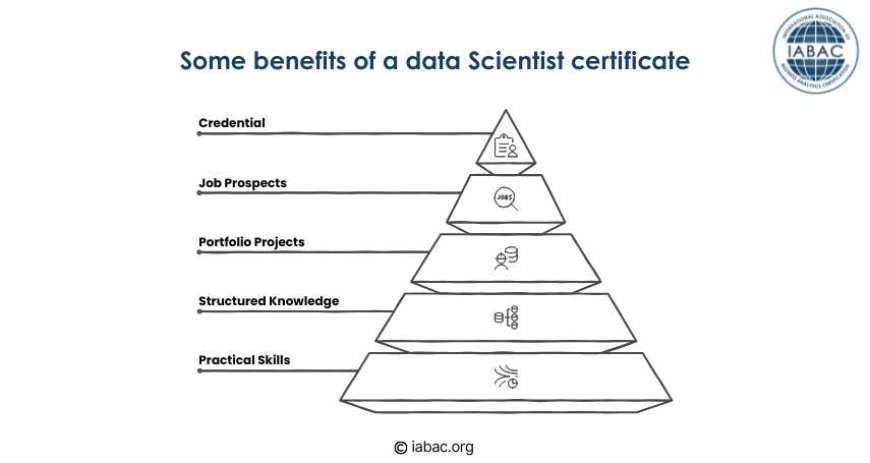
Some benefits of a certificate include:
-
Learning practical tools and techniques used in real-world data science.
-
Gaining structured knowledge quickly.
-
Building a portfolio of projects.
-
Increasing your chances of getting hired.
-
Earning a credential to showcase on your resume or LinkedIn.
However, not every certificate is created equal. It's crucial to make informed decisions because of this.
1. Understand Your Goal First
Think about what you hope to achieve with this certificate before enrolling in any courses.
Here are a few common goals:
-
Are you new to data science and want to get started?
-
Do you want to develop your skills in technology?
-
Do you wish to switch positions or receive a promotion at your present employer?
-
Do you want to work as a consultant or freelancer?
2. Check the Curriculum
The core of any certificate program is the curriculum.
The following subjects should be covered in a well-rounded curriculum:
-
Python or R programming (Python is more common)
-
Statistics and probability
-
Data wrangling and cleaning
-
Data visualization
-
Machine learning basics
-
Supervised and unsupervised learning
-
Real-world projects
-
SQL and databases
-
Big Data tools (optional but a plus)
Ensure that both theory and practical experience are covered in the training. While reading about data science might be helpful, the real learning occurs when you do it yourself.
It's encouraging if the course includes mini-projects or a final capstone project. These projects can then be included in your portfolio when you seek jobs.
3. Who Are the Instructors?
A skilled educator can have a significant impact.
Verify teacher backgrounds. Are they experts in academia or the industry? Do they possess practical data science experience?
They can provide you with the most recent information on trends, case studies, and insights if they are actively employed in the sector.
Seek out courses that allow you to communicate with teachers via forums, Q&A sessions, or mentoring. This support might help you get your questions answered and direct your educational path.
4. Mode of Learning Online vs In-Person
The majority of credential programs are now available online. However, some might be in-person or hybrid, particularly at universities.
Heres a quick comparison:
Online Programs:
-
Flexible schedule
-
Learn from anywhere
-
Usually more affordable
-
Ideal for working professionals or parents
In-Person or Hybrid Programs:
-
More structured and disciplined
-
Opportunity to network face-to-face
-
May include career fairs and job support
-
Often more expensive
Select the one that best fits your learning style and lifestyle.
5. Hands-On Projects and Case Studies
Practice is more important than theory in data science.
Verify whether case studies, end-to-end projects, and real-world datasets are included in the course. You ought to be able to construct items such as
-
Customer segmentation models
-
Sales predictions
-
Recommendation systems
-
Data dashboards
You can show your skills to potential employers and build your confidence with these assignments. To put your knowledge to the test, some sites even give you access to hackathons or tournaments.
6. Reputation and Recognition of the Certificate
Not all certificates are treated equally in the job market.
Some certificates from top institutions or well-known industry bodies carry more weight. Do a bit of research:
-
Is the certificate recognized by employers?
-
Do past students mention getting jobs or promotions after completing it?
-
Are there LinkedIn reviews or alumni stories?
For example, IABAC (International Association of Business Analytics Certification) offers a globally recognized Certified Data Scientist that is widely respected by hiring managers.
Choose a certificate that is credible and accepted across companies.
7. Support for Career Services
Good programs go beyond teachingthey help you get hired.
Some certificate programs offer:
-
Resume building
-
Interview preparation
-
Mock interviews
-
LinkedIn profile reviews
-
Job boards or placement support
While this isnt essential, its helpful if youre entering the job market or switching careers.
Check if the program provides access to a career mentor or counselor. It can make a big difference in your job hunt.
8. Cost and Value for Money
The cost of data science certifications varies.
Some cost less than $100 or are free. Others can cost thousands of dollars, particularly those from institutions.
Finding a balance between cost and quality is important.
Heres how to evaluate the cost:
-
What is included in the price? (lectures, projects, certificates, career support?)
-
Is there a refund policy or free trial?
-
Do they offer scholarships or financial aid?
-
Does the price match the quality and depth of the program?
Higher fees can occasionally be justified if the course provides in-depth information, real-world projects, and robust career assistance. But don't spend too much on just brand names.
9. Certification Exam and Requirements
Some programs have a final exam or capstone project to earn the certificate.
Check if:
-
You have to complete all assignments to pass.
-
Theres an open-book or timed test.
-
The certificate is valid for life or needs renewal.
-
You get a digital badge for LinkedIn.
Also, ensure that the exam is fair and tests real knowledge, not just memory. It should challenge you but not overwhelm you.
Selecting the most well-liked or costly data science certificate program isn't the only consideration. It's about figuring out what works for you.
Keep in mind that the skills and trust you get from the certificate will help you land a job, not the certificate itself.
If you want an accredited and industry-recognized certification, the IABAC Data Science Certification is one of the best options.