
















How to Capture Breathtaking Sunrise and Sunset Photos on EBC
Discover the Everest Base Camp trek — Nepal’s most famous trekking route.
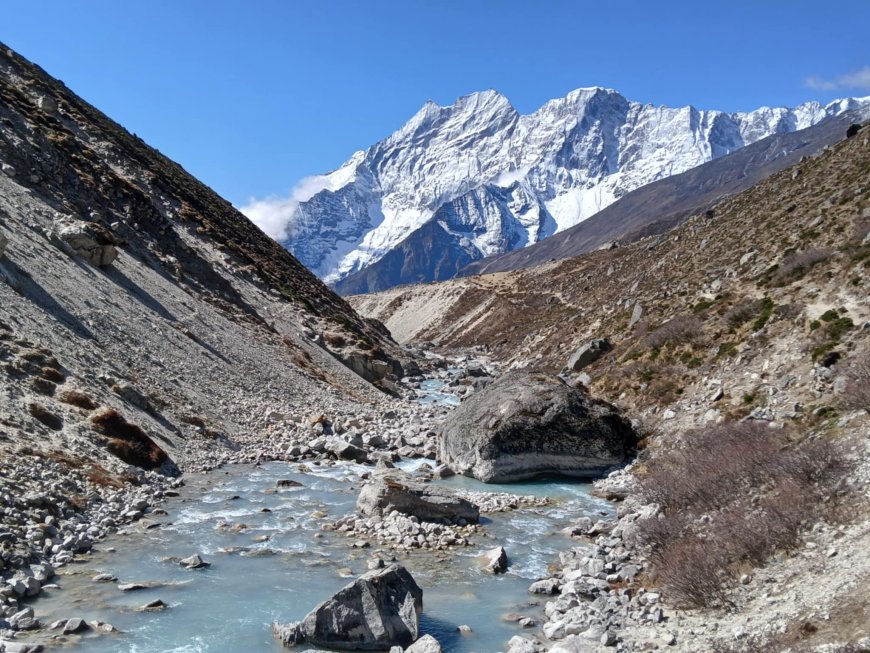
Taking amazing sunrise and sunset photos during your trek to Everest Base Camp is a real treat. The way the light hits the snow-covered peaks creates some pretty special moments, making it a great time for photos. To get the best shots, you'll want to be ready with your timing and camera settings.
For sunrise, get up early. The soft morning light makes the mountains glow. Places like Kala Patthar and Tengboche Monastery are great spots to catch views of Everest and the surrounding peaks. It's best to arrive before dawn to snap photos as the light starts to brighten the mountains. For sunsets, look for a spot with a clear view to the west, like Gorak Shep. Here, the sun sets behind the peaks, casting shadows and warm colors across the landscape.
When it comes to your camera settings, a wide-angle lens works well for capturing the scenery. Set your aperture to f/8 to f/11 for a nice depth of field. Stick to lower ISO settings, around 100-200, to keep the noise down, and dont forget your tripod to keep things steady, especially when it's dim. Play around with exposure to get the best light balance between the sky and the mountains.
And remember, patience pays off. The sky changes quickly, so take plenty of shots to catch the perfect moment. With a bit of prep and good timing, your sunrise and sunset photos will truly reflect the stunning beauty of the Everest area.
Sunrise and Photography Tips at Kala Patthar
Kala Patthar is one of the top places to catch the sunrise while trekking to Everest Base Camp. Sitting at 5,545 meters, it gives you some of the best views of Mount Everest, Lhotse, and Nuptse. If you want great photos, get there early to watch the sky change colors before the sun rises. Use a wide-angle lens and set your camera to a low ISO for bright, crisp shots. The best light happens just before the sun pops up, so a tripod is a must for steady shots. The calmness of the morning makes it all feel even more special.
Top Sunset Photo Spots on the Everest Base Camp Trail
For catching sunsets, the Everest Base Camp trek has several spots where you can see the sun lighting up the peaks. Gorak Shep is a popular spot that delivers amazing views of Everest and the nearby mountains. The evening light highlights the rough landscape, creating beautiful shadows and colors. A telephoto lens works well for close-ups of the mountains, while a wide-angle lens captures the vast surroundings. Adjust your exposure so that the bright sky doesnt drown out the foreground. The soft light at dusk helps balance the scene.
Playing with Light and Shadows for Stunning Shots
Getting the hang of light and shadows is key for taking striking photos during sunrise and sunset on the Everest Base Camp trek. At these times, the light throws long shadows and contrasts against the snowy peaks and land. Position yourself with the sun behind you to get the Himalayan landscape lit up. For certain sunset photos, look for the shapes of trekkers or prayer flags in the scene. Tweak your exposure settings to keep both bright highlights and darker areas visible. The right light can make a simple shot stand out.
Gear and Settings for Your Sunrise and Sunset Shots
To get great pictures of sunrises and sunsets on the Everest Base Camp trek, you need the right gear. A DSLR or mirrorless camera with manual controls gives you more choice in your shots. A wide-angle lens (16-35mm) is great for sweeping views, while a telephoto lens (70-200mm) is perfect for close-up shots. A solid tripod is important for stable images, especially in low light. Set your aperture to f/8 to f/11 for focus throughout the image, and keep your ISO between 100-200 to limit noise. Don't forget to pack extra batteries and memory cards, as the cold can drain them fast.
The Golden Hour for Perfect Pictures
The golden hour is one of the best times for taking pictures during sunrise and sunset on the Everest Base Camp trek. This period right after dawn and just before sunset has soft, warm light that makes everything look dreamy. The sky fills with golden, pink, and blue hues, creating a stunning backdrop over the mountains. Focus on catching the changing colors reflecting off the snowy peaks as the light hits them. Angle your camera toward the horizon to catch the mountains and the sky in their glory. Be ready to try different angles to capture the unique charm of the Himalayas at this beautiful time.
The Importance of Timing for Sunrise and Sunset Photography
When you're out snapping photos of sunrises and sunsets on the Everest Base Camp trek, timing is key. Try to get to your spot about 20-30 minutes before sunrise. This way, you can catch the beautiful changes in light and color as day breaks. The times right after sunrise and just before sunset usually give you the brightest colors and contrasts. Since the sun is lower in the sky during these hours, you'll see longer shadows and more texture in the landscape. For sunset shots, aim to be there at least 45 minutes before the sun goes down to see the light change. If youre patient with your timing, you'll end up with some amazing photos.
Composition Techniques for Stunning Photos of Everests Landscape
Composition is super important for making your Everest Base Camp photos stand out. One simple tip is to use the rule of thirds. Place key elements like Mount Everest, Tengboche Monastery, or prayer flags along the gridlines for a more balanced look. Adding foreground elements like rocks, yaks, or fellow trekkers can give your photos more depth. Use leading lines from trails or rivers to draw the viewers eye toward the horizon where the sun is rising or setting. Don't be afraid to try different anglesshooting from below can make the mountains look even bigger, while a higher viewpoint gives a great overview of the area.
How to Capture the Himalayan Sky: Clouds, Light, and Color
The sky in the Himalayas is full of color and interesting cloud shapes, so pay attention to it for your sunrise and sunset photos on the trek. Look for cloud patterns, as they can add drama to your shots. In the morning, the sky often lights up with oranges and pinks, while the evening can bring deep reds and purples. Adjust your white balance to get the true colors of the sky, and consider using exposure bracketing to make sure you capture both the bright sky and darker mountains well. The mix of light and clouds will help your photos reflect the area's changing weather.
Capturing Local Culture Along with Mountain Views
While those sunrise and sunset views are breathtaking, dont forget to capture some of the local culture, too. Getting shots of Sherpa villages, monasteries, and prayer flags can add context to your landscape images. For instance, a monk praying at Tengboche Monastery during sunrise or yaks crossing the trail with the sun setting behind them can create engaging photos. Including people against the mountain backdrop gives your shots a sense of scale and connects them to the local community. Just remember to be respectful, especially in religious places, and ask for permission when needed.
Editing Tips for Enhancing Your Sunrise and Sunset Photos
Once youve taken those stunning sunrise and sunset shots on the trek, editing can help bring out the best in your images. Use software like Adobe Lightroom or Photoshop to make the colors pop in the sky, mountains, and shadows. Start by tweaking the exposure, contrast, and saturation to highlight the colors. Gradual filters can help balance the bright sky with the darker foreground. Use highlight recovery to make sure you keep details in both the sky and snowy peaks. And for a dramatic touch, adding clarity can sharpen details and make your photos stand out.
How to Take Sunrise and Sunset Photos on the Everest Base Camp Trek
To snap great sunrise and sunset photos on the Everest Base Camp trek, you need to plan. Get to your favorite spot, like Kala Patthar or Gorak Shep, nice and early. This way, you can catch the sunrise's first light and enjoy those beautiful warm colors as the sun sets. A wide-angle lens (like 16-35mm) works well for capturing those expansive views, while a telephoto lens (70-200mm) is great for zooming in on the peaks. Aim to keep your aperture between f/8 and f/11 for a nice, sharp focus across your shot. Use a low ISO (100-200) to keep noise in check. When it comes to sunrise, a tripod is your friend to keep that camera steady in low light. Make sure to adjust your exposure so you can balance the bright sky with the darker foreground. Try bracketing your shots to get details in both the bright and shadow areas. The golden hourright before sunrise or just after sunsetcan give your photos a lovely warm glow that makes those peaks pop.
Can You See the Peak of Everest from Base Camp?
While you get some amazing views from Everest Base Camp, you cant see the summit of Mount Everest from there. The camp is set at the foot of the Khumbu Icefall, surrounded by tall peaks like Lhotse, Nuptse, and Pumo Ri. These mountains block the view of Everests top. To get a clear view of Everest, youll need to head to higher spots like Kala Patthar (5,545 meters) or the South Col. From these high points, youll have a stunning, unobstructed view of Everest and the surrounding mountains.
What is the Elevation Gain from Base Camp to the Summit of Mount Everest?
The climb from Everest Base Camp to the summit of Mount Everest is quite a trek, with a considerable elevation gain of about 3,500 meters (11,500 feet). Base Camp sits around 5,364 meters (17,598 feet) high, while Everests summit is at 8,848.86 meters (29,031.7 feet). The route involves several stages, including passing through the Khumbu Icefall and various camps, making it a tough, multi-day climb that requires solid mountaineering skills and acclimatization. Climbers need to use supplemental oxygen above 8,000 meters, where conditions get harsh. For trekkers, reaching Base Camp is a big deal, but summiting Everest is a whole different level of challenge.
What is the Elevation of Base Camp on Mount Everest in Feet?
Everest Base Camp sits at about 17,598 feet (5,364 meters) above sea level. This is where adventurers set up their base before making the push to summit Everest. Although its at a high altitude, Base Camp isnt as risky as the higher regions, but you still need to acclimatize properly to prevent altitude sickness. Most trekkers spend a few days at Base Camp or nearby in Gorak Shep to get used to the altitude before heading back down or moving on.
Conclusion
The Everest Base Camp trek Package is an amazing opportunity to take in the beautiful landscapes and fantastic views of the Himalayas. You wont see the peak of Everest from Base Camp, but youll enjoy some incredible panoramic sights of the surrounding peaks. Capturing those sunrise and sunset moments along the trek is truly unforgettable, with the golden light bringing out the beauty of the snow-covered mountains. With Base Camp sitting at 17,598 feet, its an important stop for getting used to the altitude before climbing higher. Although the trek to Base Camp is no walk in the park, its a unique chance to soak in the majesty of the worlds tallest mountains.