

















How IoT is Transforming Everyday Devices into Smart Solutions
IoT refers to a network of physical devices—like sensors, appliances, vehicles, and machines—that are connected to the internet.
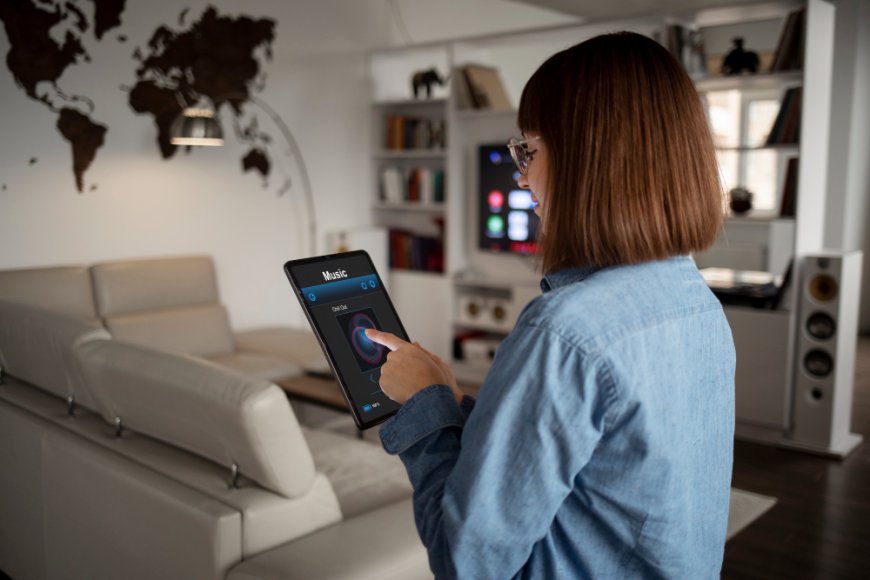
The Internet of Things (IoT) is changing the world as we know it. From smart homes to connected factories, IoT is making everyday devices smarter, more efficient, and more responsive. These devices are no longer just toolsthey are now intelligent systems that can collect data, make decisions, and communicate with each other in real time. Whetherits in retail, healthcare, agriculture, or education, IoT is playing a key role in creating innovative solutions that improve our lives.
What is IoT and How Does it Work?
IoT refers to a network of physical deviceslike sensors, appliances, vehicles, and machinesthat are connected to the internet. These devices collect and share data with each other or with a central system. For example, a smart thermostat can learn your schedule and adjust room temperature automatically to save energy. Or a fitness band can track your daily activity and send the results to your smartphone.
The key components of IoT systems are:
-
Sensors that gather data (like temperature, motion, or humidity)
-
Microcontrollers or microprocessors that process data
-
Connectivity (Wi-Fi, Bluetooth, or cellular) to send data
-
Software that interprets data and provides insights
Retail Revolution with Smart Vending
One of the most visible applications of IoT in retail is the rise of custom vending machines. These machines go beyond just selling snacks and drinks. They use embedded sensors, touchscreen interfaces, cashless payment options, and real-time inventory tracking to enhance the customer experience.
Custom vending machines can be tailored for various industriesgyms, offices, airports, schools, or even hospitals. For example, a smart vending machine at a gym can offer energy drinks, protein bars, or fitness accessories and adjust its stock based on time of day and user preferences. It can also send alerts to restock items and analyze buying trends.
These machines benefit both businesses and customers by:
-
Reducing staffing costs
-
Increasing availability (24/7 access)
-
Offering personalized promotions
-
Improving inventory management
Healthcare: Monitoring and Response in Real Time
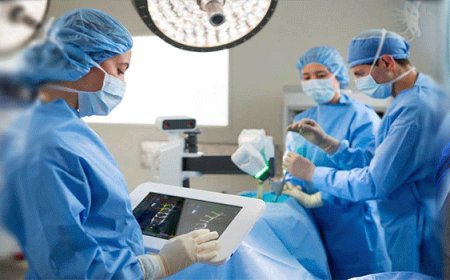
IoT is transforming healthcare by enabling remote patient monitoring and smart diagnostics. Wearable devices such as fitness bands, smartwatches, and even ECG monitors can collect real-time health data like heart rate, oxygen level, and sleep quality. These devices can alert doctors or caregivers if any abnormal patterns are detected.
Hospitals are also using IoT to track medical equipment, monitor environmental conditions in operation rooms, and manage patient records more efficiently. This helps in reducing errors, improving response time, and enhancing patient care.
Smart Farming and Agriculture
Agriculture is benefiting from IoT through precision farming. Farmers can now monitor soil conditions, temperature, humidity, and crop health using IoT sensors. They can also automate irrigation systems based on weather forecasts or soil moisture data.
Drones, GPS-enabled tractors, and data analytics are making farming more productive and sustainable. This reduces the use of water, fertilizers, and energy, while increasing yield and efficiency. Smart agriculture is especially helpful in dealing with climate change and resource scarcity.
Smart Cities: Connected Infrastructure
Smart cities are built on the foundation of IoT. From traffic lights and public transport systems to waste management and street lighting, smart infrastructure uses IoT to operate more efficiently. For example, smart traffic systems can adjust signal timings based on real-time traffic flow, reducing congestion and pollution.
IoT-enabled public services can also help in energy conservation by automatically turning off streetlights during daylight or detecting faults in the water supply. This leads to better city planning and an improved quality of life for citizens.
Industrial Automation with Arduino
As industries adopt automation and smart control systems, tools like Arduino have become essential in IoT development. Arduino is a popular open-source electronics platform based on simple microcontrollers and easy-to-use software. It allows developers and engineers to build prototypes and deploy IoT systems quickly.
For companies looking to build custom hardware solutions, it is common to hire Arduino developer teams to design, test, and implement these systems. These developers can create solutions for home automation, robotics, factory equipment, and more. Arduino boards are often used to control sensors, motors, lights, and even wireless communication modules.
Conclusion
IoT is transforming ordinary devices into intelligent systems that improve productivity, safety, and convenience across industries. From custom vending machines to smart agriculture and automated factories, IoT solutions are creating new opportunities for innovation and growth.