



















How Diet Affects Teeth Colour and Whitening Effectiveness
Maximise teeth whitening results with expert diet tips. Maintain a bright smile through smart eating habits and consistent dental care.


Maintaining a bright, healthy smile is a top priority for many people across the UK. As cosmetic treatments like teeth whitening grow in popularity, it's important to understand how diet influences both the natural colour of your teeth and the results of whitening procedures. For those considering professional teeth whitening Cheltenham services, consulting a skilled dentist in Cheltenham ensures safe, effective treatment. However, the foods and drinks you consume daily play a significant role in maintaining that radiant smile. This blog explores how dietary habits impact tooth discolouration and offers practical tips to enhance and preserve whitening results through mindful choices.
Why Teeth Discolouration Happens
Teeth discolouration can result from numerous causes. While genetics and ageing influence natural tooth colour, external factors such as food, drinks, and smoking are significant contributors to staining.

There are two main types of teeth stains:
- Extrinsic stains: These occur on the tooth surface, mainly caused by pigmented foods, drinks, and tobacco.
- Intrinsic stains: These develop within the tooth enamel or dentin due to factors such as trauma, certain medications, or excessive fluoride exposure.
Diet largely affects extrinsic staining, but some dietary habits may indirectly impact intrinsic discolouration over time.
Common Dietary Culprits That Affect Teeth Colour
Several commonly consumed foods and beverages can cause teeth staining or accelerate discolouration. Heres a look at some of the most notorious offenders:
1. Coffee and Tea
Coffee and black tea contain tannins, which cause colour compounds to stick to the teeth. Frequent consumption can lead to noticeable yellowing or browning.
2. Red Wine
Rich in chromogens and tannins, red wine can easily stain teeth with regular intake.
3. Berries and Sauces
Dark berries such as blueberries, blackberries, and even sauces like soy sauce and balsamic vinegar have strong pigments that can leave stains.
4. Soft Drinks and Sports Drinks
Many of these are acidic and sugary, which not only erode enamel but also increase the risk of staining.
5. Sweets and Coloured Candies
Artificial colours and dyes often stick to the teeth, especially when consumed frequently.
Foods That May Help Maintain or Improve Teeth Whiteness
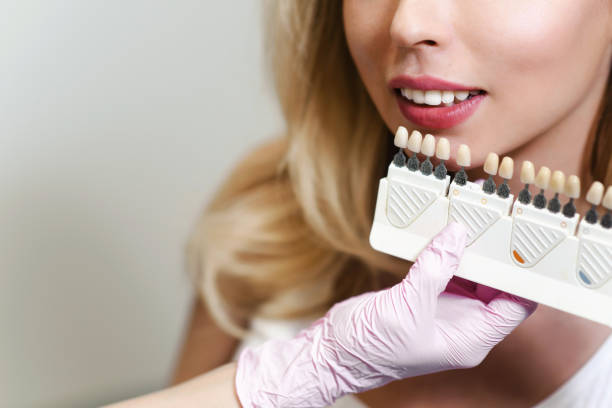
While many foods contribute to staining, some can help preserve your smile by naturally cleaning teeth or promoting enamel health. For the best results, combine these dietary tips with professionalTeeth Whitening Cheltenhamtreatments.
- Crunchy fruits and vegetablessuch as apples, carrots, and celery help scrub the teeth surface.
- Dairy productslike cheese and yoghurt contain calcium and phosphates that strengthen enamel.
- Water, especially fluoridated water, rinses away food particles and neutralises acids.
- Strawberriescontain malic acid, a natural enamel whitener.
How Diet Influences Teeth Whitening Effectiveness
Professional teeth whitening treatments rely on bleaching agents like hydrogen peroxide or carbamide peroxide to break down stains and lighten tooth colour. However, the success and longevity of whitening depend heavily on post-treatment care and lifestyle choices, particularly diet.
The Impact of Acidic Foods and Drinks
Acidic foods and drinks soften tooth enamel temporarily. Whitening agents can penetrate better through softened enamel, but excessive acid exposure can lead to enamel erosion, causing uneven whitening and increased sensitivity.
Pigmented Foods and Staining
Following whitening, teeth become more porous and are more prone to staining from coloured foods and beverages. Avoiding or moderating intake in the weeks following treatment can help maintain results longer.
Table: Foods and Drinks Impact on Teeth Colour and Whitening
Seeking advice from a qualifieddentist in Cheltenhamis vital before undertaking teeth whitening treatments. Dentists can evaluate the cause of discolouration and recommend the most suitable treatment plan. They also provide personalised aftercare guidance, including dietary advice to maximise the longevity of whitening results.
Professional whitening treatments performed by a dentist are safer and more effective compared to over-the-counter products, especially when combined with lifestyle adjustments.
Practical Diet Tips to Enhance Whitening Outcomes
To get the most from your whitening treatment, consider these diet-related tips:
- Avoid or limit consumption of staining drinks like coffee, tea, red wine, and coloured soft drinks for at least 48 hours post-whitening.
- Use a straw to reduce contact between pigmented drinks and teeth.
- Rinse your mouth with water after consuming staining foods or drinks.
- Maintain good oral hygiene, including brushing twice daily with fluoride toothpaste and flossing.
- Schedule regular check-ups with your dentist to monitor oral health.
Long-Term Smile Care Beyond Whitening
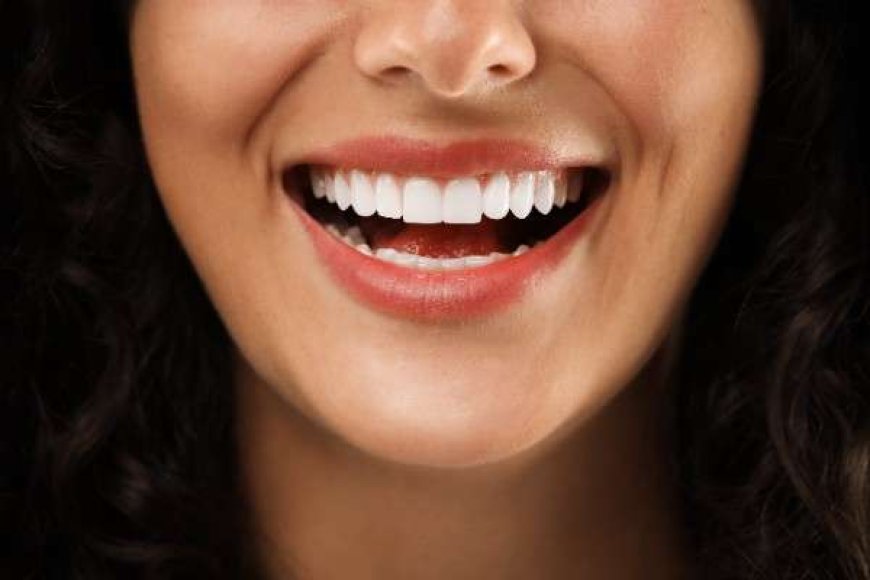
While whitening treatments significantly boost the aesthetic appeal of your smile, maintaining its brilliance and health over the long term requires a comprehensive oral care routine. Teeth whitening is most effective when supported by consistent dental hygiene, smart lifestyle habits, and professional oversight.
- Schedule regular dental check-ups for professional cleaning, early issue detection, and personalised advice.
- Limit staining foods/drinks like coffee, tea, red wine, and berries; use a straw and rinse with water after acidic intake.
- Use whitening toothpaste, fluoride mouthwash, and electric toothbrushes to support whiteness and oral health.
- Protect enamel by avoiding acidic foods, waiting 30 minutes before brushing after acidic meals, and using a soft-bristled brush.
Conclusion
The colour of your teeth and the success of teeth whitening treatments are directly influenced by your diet. Regular intake of staining foods and beverages can weaken whitening results and accelerate tooth discoloration. By choosing the right foods and consulting a qualified dentist in Cheltenham, you can prolong the effects of whitening and maintain a brighter smile. For those considering cosmetic enhancements, teeth whitening Cheltenham services offer tailored, professional solutions. With personalised guidance and ongoing dental support, you can achieve lasting results. At EDC, were dedicated to providing expert care that boosts both your confidence and long-term oral health.