


















How a Colonoscopy Clinic Helps in Early Cancer Detection
In this blog, we’ll explore how colonoscopies work as a cancer detection tool and why timely screenings are critical for maintaining long-term health.

Colorectal cancer is one of the most preventable yet commonly diagnosed cancers worldwide. One reason it claims so many lives is because it often goes unnoticed in its early stages. Regular screenings at a reliable colonoscopy clinic play a vital role in early detection and can dramatically improve survival rates.
Why Early Detection Matters
Early-stage colorectal cancer typically produces few or no noticeable symptoms. By the time signs like rectal bleeding, weight loss, or persistent digestive issues appear, the disease may already be advanced. Detecting cancer in its earliest stages means:
-
Higher chances of complete recovery
-
Less aggressive, more effective treatment options
-
Reduced need for invasive surgeries
-
Improved overall survival rates
A professional colonoscopy clinic provides the expertise and technology necessary for thorough, timely detection.
How a Colonoscopy Detects Early Signs of Cancer
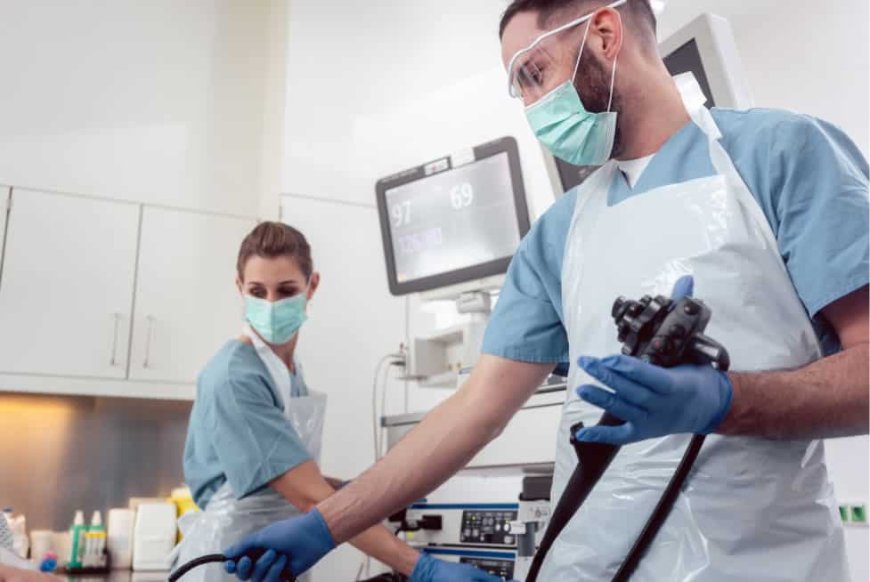
A colonoscopy involves examining the inner lining of the colon and rectum using a flexible, lighted tube with a camera. Heres how it aids in cancer detection:
1. Identification of Polyps
Most colorectal cancers begin as benign polyps. During the exam, doctors at a colonoscopy clinic can detect these growths and remove them immediately, preventing them from developing into cancer.
2. Visual Examination of Abnormal Tissues
The high-definition camera allows specialists to closely inspect the colon lining for unusual tissues, discolorations, or lesions.
3. Biopsy Capabilities
If suspicious areas are found, small tissue samples can be collected and sent to a lab for microscopic analysis to confirm or rule out cancer.
4. Monitoring High-Risk Patients
For individuals with a family history or previous polyps, regular visits to a colonoscopy clinic help track changes and intervene early.
When Should You Start Getting Screened?
The American Cancer Society recommends:
-
Routine screenings starting at age 45 for adults at average risk.
-
Earlier and more frequent screenings for those with risk factors like a family history of colorectal cancer or personal history of polyps.
-
Immediate screening if experiencing symptoms such as blood in stool, persistent abdominal pain, or sudden weight loss.
A qualified colonoscopy clinic will assess your personal and family medical history to recommend an appropriate screening schedule.
Benefits of Colonoscopies for Cancer Prevention
-
Polyp removal reduces cancer risk
-
Early detection ensures better treatment outcomes
-
Improved peace of mind knowing your health is actively monitored
-
Lower mortality rates for those undergoing regular colonoscopies
-
Accurate and comprehensive evaluation of digestive tract health
This makes colonoscopy the most effective preventive tool for colorectal cancer currently available.
How a Colonoscopy Clinic Prioritizes Patient Safety
Modern colonoscopy clinic services use advanced technology and patient-centered care protocols to minimize risks and enhance outcomes:
-
High-definition scopes for precise imaging
-
Experienced, board-certified gastroenterologists
-
Sedation options for a comfortable, stress-free experience
-
Strict infection control and sterilization processes
-
Immediate polyp removal and biopsy capabilities
-
Clear, compassionate communication about results and follow-up care
Common Questions Patients Have Before Their First Colonoscopy
Many people hesitate to schedule this life-saving procedure due to misconceptions. Here are common concerns addressed:
Q1: Is a colonoscopy painful?
Not at all. With sedation, patients at a colonoscopy clinic typically feel relaxed and remember little or nothing about the procedure.
Q2: How long does it take?
The actual exam lasts about 3060 minutes. Including check-in, sedation, and recovery time, youll spend about 23 hours at the clinic.
Q3: What if polyps are found?
Most polyps are benign and can be removed during the procedure. The tissue is sent to a lab to confirm if further treatment is necessary.
Q4: How do I prepare for a colonoscopy?
Youll follow a clear liquid diet and take a prescribed bowel-cleansing solution the day before. Your colonoscopy clinic will provide step-by-step instructions.
Q5: How soon will I get results?
Preliminary findings are often shared immediately. Biopsy results usually arrive within a few days, and your clinic will follow up to discuss the next steps.
What Makes a Good Colonoscopy Clinic?
Choosing the right clinic ensures you receive safe, effective care. Look for these qualities:
-
Positive patient reviews
-
High polyp detection rates
-
Advanced imaging technology
-
Experienced medical staff
-
Transparent pricing and insurance coverage
-
Clear preparation guidelines and supportive aftercare
-
Clean, modern facilities adhering to strict health protocols
A trusted colonoscopy clinic enhances your overall experience and health outcomes.
Tips for Making Your Colonoscopy Easier
To simplify your experience:
-
Follow preparation instructions closely
-
Arrange a ride home due to sedation effects
-
Wear loose, comfortable clothing
-
Stay hydrated with clear liquids before prep begins
-
Ask your colonoscopy clinic team any questions in advance
Good preparation ensures better visibility during the exam and fewer repeat procedures.
Colonoscopy as Part of a Preventive Health Strategy
While often overlooked, colonoscopies are as essential as cholesterol checks and blood pressure monitoring. They:
-
Prevent serious disease by removing precancerous polyps
-
Detect early, treatable stages of cancer
-
Help monitor chronic digestive conditions
-
Provide a clear picture of overall gut health
A professional colonoscopy clinic should be a regular part of your preventive health routine, especially as you age.
When to Schedule Your Next Colonoscopy
-
Every 10 years for average-risk adults with no polyps found
-
Every 57 years for those with low-risk polyps
-
Every 3 years or less for patients with high-risk polyps or IBD
-
Sooner if new symptoms develop or you have a family history of colorectal cancer
Your colonoscopy clinic will recommend a personalized screening schedule based on findings and risk factors.
Final Thoughts
Colorectal cancer is preventable and highly treatable when detected early. Regular screenings at a skilled colonoscopy clinic play a vital role in catching problems before they become serious. From removing polyps to diagnosing early cancers and monitoring high-risk patients, colonoscopies save lives. Dont let fear or myths hold you back from this essential preventive measure. Schedule your appointment, stay informed, and prioritize your health.