The Enduring Relevance of the Book The Right to Keep and Bear Arms Based on Real Historical Events
Explore the enduring relevance of The Right to Keep and Bear Arms, a powerful book rooted in real historical events and the legacy of the Second Amendment.

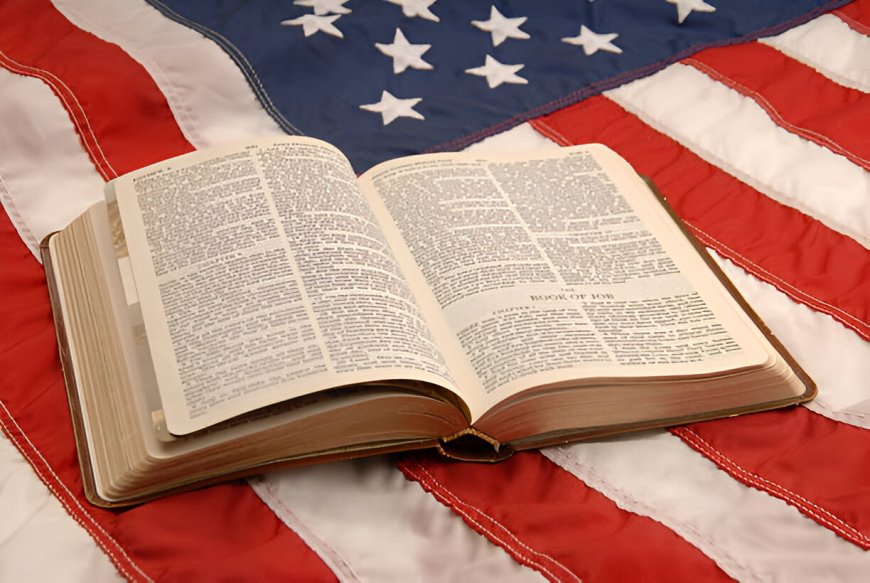
The debate surrounding the Second Amendment remains one of the most polarizing in American political and legal discourse. Rooted in the constitutional promise that citizens have the right to keep and bear arms, this amendment has been dissected and interpreted in countless ways over the past two centuries. A compelling and deeply researched addition to this conversation is the , which stands out not only for its balanced argumentation but for its grounding in factual history rather than conjecture or ideology.
Colonial America and the Foundations of the Second Amendment
Understanding the original intent of the Founding Fathers requires a journey back to the colonial period, the Revolutionary War, and the early days of the American republic. The book excels at this, detailing events and societal conditions that shaped the inclusion of the Second Amendment in the Bill of Rights. The author demonstrates how fears of centralized power, experiences under British rule, and the need for local militias significantly influenced early American attitudes about arms and personal defense.
What makes this work distinctive is not merely its legal analysis but how it connects pivotal moments in U.S. history to the evolution of gun rights. Drawing on events like the Boston Massacre, the battles of Lexington and Concord, and even the Anti-Federalist Papers, the book reveals how these incidents underscored the importance of a well-armed citizenry. Rather than relying on abstract theory, it weaves in verifiable historical documents and firsthand accounts, illustrating how the Founders envisioned arms not just for defense, but as a bulwark against tyranny.
Role of Militias in Early American Society
The author also examines how early colonial militias were vital to maintaining peace in frontier settlements and fending off both foreign invaders and domestic threats. These militias, often composed of everyday citizens, became the blueprint for understanding the Second Amendment, not as a mere hunting or sporting right, but as a civic duty tied to liberty and self-governance. Thebook The Right to Keep and Bear Arms, based on real historical events, places heavy emphasis on these formative experiences, painting a vivid picture of life in early America where bearing arms was more than a privilegeit was a necessity for survival and justice.
Constitutional Convention and the Birth of the Amendment
As the narrative transitions into the post-revolutionary era, the book delves into the drafting of the Constitution and the Bill of Rights, particularly highlighting the fierce debates between Federalists and Anti-Federalists. It was during this ideological tug-of-war that the Second Amendment was born, framed as a compromise meant to calm fears about standing armies and governmental overreach. These discussions are brought to life through excerpts from constitutional conventions, personal letters, and period editorials, giving readers a front-row seat to the birth of one of Americas most contested rights.
Landmark Judicial Interpretations
The book doesn't stop at the 18th or 19th century. It continues by tracing the trajectory of gun rights through key judicial decisions, including United States v. Miller (1939) and the landmark District of Columbia v. Heller (2008). Each case is analyzed through a historical lens, showing how courts have interpreted, upheld, or restricted gun rights in response to changing societal norms and pressures. Importantly, the author avoids sensationalism, choosing instead to let the facts and legal precedents speak for themselves.
Human-Centered Historical Perspective
Another strength of the book is its effort to humanize history. Rather than focusing solely on lawmakers or generals, it highlights the experiences of ordinary Americanshomesteaders, farmers, freedmen after the Civil War, and even civil rights activists of the 1960s. These individuals used firearms not as tools of aggression, but as means of protection in turbulent and often lawless environments. In doing so, the book challenges modern stereotypes about gun ownership, revealing its deeply personal and often marginalized roots.
Bridging History and Modern Gun Rights Debates
Throughout the book The Right to Keep and Bear Arms, based on real historical events, readers are encouraged to think critically about the modern implications of this right. The author explores how history informs current debates about background checks, assault weapons bans, and red flag laws. By connecting past and present, the book serves as a bridge between ideological divides, offering a common historical foundation from which nuanced discussions can emerge.
Addressing Controversy with Historical Accuracy
Moreover, the book doesnt shy away from controversy. It addresses instances where the right to bear arms has been abused or misunderstood, leading to tragic consequences. However, it also makes the case that these aberrations do not invalidate the original purpose of the Second Amendment. Instead, they underscore the need for responsible ownership, community involvement, and ongoing education.
What sets this book apart from others on the subject is its unwavering commitment to accuracy and historical context. It doesn't cherry-pick events or manipulate facts to fit a particular narrative. Each claim is backed by sources, including government records, historical newspapers, personal correspondences, and academic research. This scholarly rigor lends credibility and depth to its arguments, making it a valuable resource for legal scholars, historians, policymakers, and informed citizens alike.
Model for Civil Discourse and Informed Citizenship
In an age where misinformation and polarized rhetoric often dominate the national dialogue, a historically anchored examination of gun rights is not just refreshingits essential. The book The Right to Keep and Bear Arms, based on real historical events, stands as a model for how complex constitutional issues should be explored: with humility, precision, and a commitment to truth. By grounding its insights in real-world events, it elevates the discourse and fosters a deeper understanding of what it means to be armed in a free society.
Conclusion
To conclude, this book is not merely about the Second Amendment; its about the American experience itself. Through war, rebellion, reconstruction, and reform, the right to keep and bear arms has endured, not because it is immune to criticism, but because it speaks to a foundational belief in personal agency and resistance to tyranny. Readers who approach this work with open minds will come away not only more informed but also more engaged in the future of this ongoing national conversation.