Teaching kindness from an early age lays the foundation for a compassionate, emotionally intelligent, and socially aware individual. In todays fast-paced world, cultivating empathy and thoughtfulness in children is more important than ever. One powerful yet simple tool parents and educators can use is a Daily Kindness Tracker for Kids. This method not only promotes good behavior but also helps children understand the impact of their actions, giving them a reason to choose kindness every day.
Why Kindness Matters in Early Childhood
Kindness is more than just being nice. It encompasses empathy, respect, understanding, patience, and a willingness to help others. For preschoolers, who are still developing their emotional and social skills, practicing kindness consistently can shape their worldview. Research has shown that children who regularly engage in kind acts tend to have better relationships, higher self-esteem, and improved mental health.
When kindness is nurtured early, it becomes a habit. Its easier to teach compassion at a young age when children are naturally curious, open-minded, and eager to please adults. Thats where a daily kindness tracker becomes an effective educational and emotional development tool.
What Is a Daily Kindness Tracker?
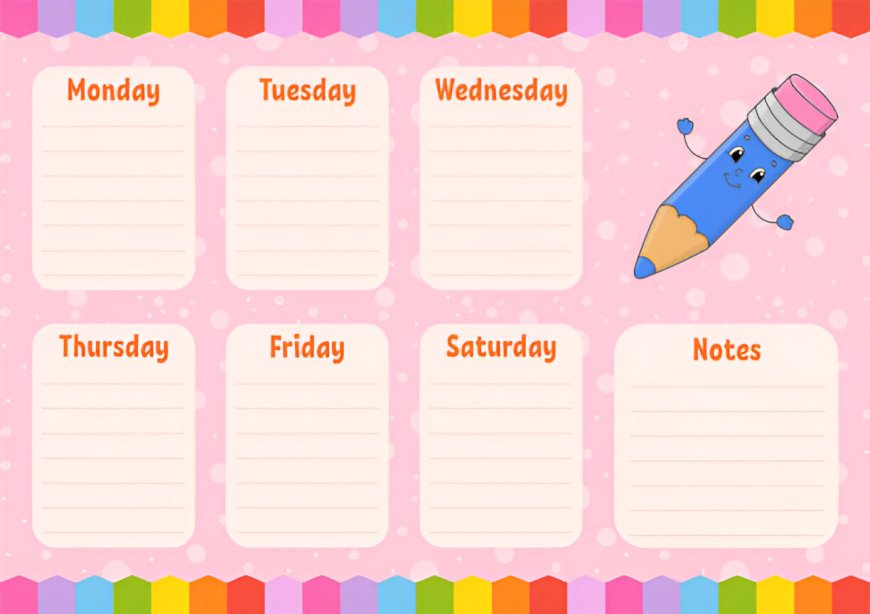
A Daily Kindness Tracker is a visual or written tool that encourages children to record or recognize one or more kind actions they perform each day. This can be in the form of stickers on a chart, smiley faces, drawings, or short written notes, depending on the childs age and literacy level.
These trackers help build awareness around good deeds and motivate kids to act kindly. Whether it's sharing toys, saying thank you, helping a friend, or feeding a pet, tracking kindness reinforces positive behavior in a fun, interactive way.
Benefits of Using a Kindness Tracker
Builds Empathy and Emotional Intelligence
By identifying and recording kind actions, children begin to understand how their behavior affects others. This strengthens their ability to recognize emotions in themselves and othersa crucial component of emotional intelligence.
. Encourages Daily Reflection
Even a quick moment of reflection at the end of each day can help children build self-awareness. Asking questions like, What kind thing did you do today? gives them a chance to pause, think, and grow more mindful of their actions.
. Develops Positive Habits
Just like brushing teeth becomes a habit with daily practice, so does being kind. Repetition is key in early childhood learning. When kindness is tracked daily, it becomes second nature over time.
. Boosts Confidence
Recognizing their good deeds makes children feel proud and valued. This sense of accomplishment boosts self-esteem and encourages them to continue making kind choices.
. Strengthens Family or Classroom Bonding
When kindness trackers are used at home or in school, they foster stronger connections among family members, classmates, and teachers. Celebrating kindness together promotes a supportive and cooperative environment.
How to Create a Daily Kindness Tracker
Creating a tracker can be as simple or as creative as you'd like. Here are a few ideas to get started:
Sticker Charts: Use a calendar or poster board. Add a sticker each day the child performs a kind act.
Drawing Boards: Let children draw a picture of their kind action.
Kindness Journal: Older preschoolers can write or dictate a short sentence describing what they did.
Printable Templates: Design or download templates with checkboxes or prompts.
Jar of Kindness: Add a bead, note, or coin to a jar for each kind act.
The key is to choose a method that excites your child and suits their developmental stage.
Integrating Kindness in Daily Routines
Its important to incorporate kindness into everyday activities. Use regular routines to prompt kind behavior:
Morning: Remind children to start their day by smiling or saying something nice.
During Meals: Encourage them to thank the person who prepared their food.
Playtime: Emphasize sharing, taking turns, and including others.
Storytime: Discuss characters kind or unkind actions and their consequences.
Bedtime: Reflect on the days kind acts and set goals for tomorrow.
Making kindness a part of regular routines reinforces its importance and keeps it top of mind.
Using Books to Reinforce Kindness Lessons
Books are a powerful tool for modeling and discussing kindness. One excellent resource for preschoolers is the Preschool book Wompus Stompus by Mollie Nelson. This story beautifully integrates themes of cooperation, compassion, and understanding in a way that resonates with young readers. The characters navigate emotional and social situations that provide natural opportunities to discuss kindness. In fact, integrating a daily kindness tracker after reading a story like this can extend the learning experience and help children relate what theyve read to their own behavior.
Through interactive storytelling and imaginative illustrations, this book brings kindness to life and gives children tangible examples of how to be kind. By anchoring the concept of kindness within a memorable story, it becomes easier for kids to apply these lessons in their daily lives.
Tips for Parents and Educators
Model Kindness: Children mirror adult behavior. Show kindness in your actions and they will follow suit.
Celebrate All Acts: No act of kindness is too small. Praise everything from helping a sibling to using polite words.
Stay Consistent: Use the tracker daily to make it a habit. Set a reminder or include it in bedtime routines.
Use Visuals: Young kids respond well to images. Colorful trackers, stickers, and smiley faces increase motivation.
Involve Siblings or Classmates: Make it a group activity. Seeing others participate creates a positive feedback loop.
Talk About Feelings: Ask how their actions made others feel. This strengthens empathy and emotional vocabulary.
Encourage Creativity: Let kids design their kindness tracker. Ownership increases enthusiasm.
Common Challenges and Solutions
Challenge: Children forget to fill out the tracker. Solution: Build it into a specific time each day, like bedtime or after dinner.
Challenge: Kids repeat the same easy kind of act daily. Solution: Suggest new ideas to stretch their kindness muscles writing a thank-you note, helping with chores, etc.
Challenge: Children lose interest over time. Solution: Add new incentives occasionally, like a special outing after a week of consistent kindness or sharing their tracker with family or class.
Conclusion
Kindness doesnt require grand gestures. Small, everyday actions shape who children become. ADaily Kindness Tracker for Kidsis a simple yet impactful way to guide children toward empathy, compassion, and self-awareness. As they grow more mindful of their behavior, children not only feel better about themselves but also help create more caring communities around them.