




















Common Fish Tank Filter Problems and How to Fix Them

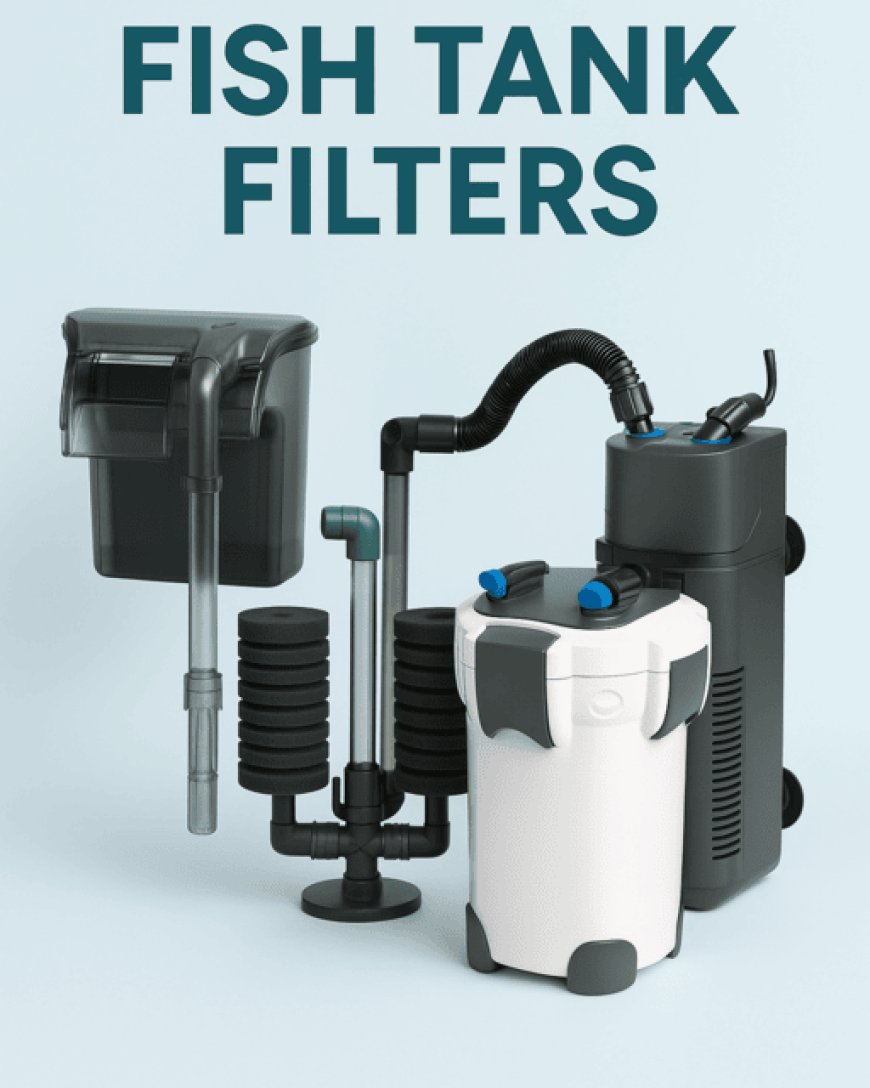
If you own an aquarium, you likely already know that maintaining clean and balanced water is crucial to the health of your fish and aquatic plants. One of the most critical components in any aquarium setup is the fish tank filter. Filters are responsible for removing debris, toxins, and excess nutrients from the water, providing a safe environment for your fish and plants to thrive.
However, like all equipment, KwikPets fish tank filters can experience issues over time. From clogging and leaks to noisy pumps and inefficient filtration, these problems can disrupt the delicate balance of your aquarium and even harm your aquatic pets. Knowing how to identify and resolve these common filter problems can save you time, money, and stress while ensuring your fish have a healthy and clean habitat.
In this post, well explore some of the most common fish tank filter problems, how to troubleshoot them, and tips for proper maintenance to keep your filter running efficiently. Whether you're a beginner or a seasoned aquarist, understanding these issues will help you maintain a thriving aquarium.
1. Why Fish Tank Filters Are Crucial for Aquarium Health
A well-functioning fish tank filter is the cornerstone of a healthy aquarium. It helps create a stable and balanced environment by keeping the water clear, oxygenated, and free of harmful waste products. Lets take a closer look at how filters contribute to the health of your aquarium.
-
Mechanical Filtration: This type of filtration physically removes debris, dust, and waste particles from the water using a filter media, such as sponges or filter pads. Mechanical filtration helps maintain clear water by trapping solid waste.
-
Biological Filtration: This is arguably the most important type of filtration for long-term aquarium health. Biological filters utilize beneficial bacteria to break down harmful chemicals, such as ammonia and nitrites, which are produced by fish waste and uneaten food. These bacteria help keep the water safe and prevent toxic buildups.
-
Chemical Filtration: This type of filtration utilizes activated carbon or other media to absorb dissolved substances, including odors, toxins, and excess nutrients. It helps improve the overall water quality and removes unwanted chemicals from the water.
Regular maintenance of your fish tank filter ensures all three types of filtration are functioning correctly. Without a filter, or with a clogged or broken one, the water quality in your aquarium will quickly deteriorate, leading to stress and potential health issues for your fish.
2. Common Fish Tank Filter Problems
While fish tank filters are designed to run smoothly, several issues can arise over time. Here are some of the most common filter problems aquarium owners face:
-
Clogging and Reduced Flow: Over time, debris and waste can accumulate in the filter, clogging the filter media and reducing the flow rate. This can lead to a decrease in filtration efficiency, resulting in contaminated water and poor water quality.
-
Loud Noises: Filters can sometimes become noisy, especially if they are not cleaned or maintained regularly. A loud filter can be annoying and disruptive, but its also a sign that something may be wrong inside the unit.
-
Leaks and Broken Parts: Leaks can occur if seals are worn or parts become cracked. A leaking filter can cause water loss and lead to the pump running dry, potentially damaging the unit.
-
Poor Filtration: If the filter is unable to handle the volume of water in your tank or if the filter media is worn out, it may not be able to remove harmful chemicals effectively. This can result in murky water, algae growth, and poor fish health.
Being aware of these common issues can help you troubleshoot problems quickly and prevent long-term damage to your aquarium.
3. How to Fix Fish Tank Filter Problems
Now that weve identified some common fish tank filter problems, lets take a look at how to fix them. These tips will help you restore your filters functionality and maintain a healthy aquarium environment.
-
Fixing Clogs and Restoring Flow:
-
Step 1: Turn off the filter and disconnect it from the power source.
-
Step 2: Remove the filter media and clean it under running water to remove debris and sludge. Use a soft brush to scrub stubborn spots.
-
Step 3: Inspect the impeller (the part that moves the water) for debris and clean it.
-
Step 4: Reassemble the filter and restart it. Check the flow rate to ensure it has returned to normal.
-
Addressing Noisy Filters:
-
Step 1: Turn off the filter and check for any loose parts or vibrations that could be causing the noise.
-
Step 2: Clean the filter impeller and housing thoroughly, as dirt buildup can lead to noise.
-
Step 3: If the noise persists, consider lubricating the moving parts with a safe aquarium lubricant to reduce friction and noise.
-
Repairing Leaks and Broken Parts:
-
Step 1: Inspect the filter for visible cracks or damage. Check seals and gaskets for wear.
-
Step 2: Replace any damaged parts, such as cracked hoses, O-rings, or damaged filter media.
-
Step 3: Apply silicone sealant to any minor cracks and allow it to cure completely before reusing the filter.
-
Improving Filtration Quality:
-
Step 1: Ensure your filter is the correct size for your tank. If the filter is too small, it wont be able to handle the water volume or provide adequate filtration.
-
Step 2: Replace worn filter media regularly. Over time, filter media loses its effectiveness, so replacing it ensures optimal filtration.
-
Step 3: Consider upgrading to a more powerful filter if your current one isnt performing adequately for your tank size.
By following these steps, you can fix most fish tank filter problems and ensure your aquarium remains healthy and well-maintained.
4. Preventive Maintenance Tips for Fish Tank Filters
Proper maintenance is crucial in preventing KwikPets aquarium filter issues before they occur. Here are some preventative tips to keep your filter in good working order:
-
Regular Cleaning: Clean your filter and replace filter media every 4-6 weeks, depending on the type of filter and the size of your tank. Regular cleaning prevents clogs and ensures efficient filtration.
-
Check for Leaks: Periodically check your filter for leaks, especially around seals and hoses. Catching leaks early can prevent damage to your filter and aquarium.
-
Monitor Water Flow: Keep an eye on your filters flow rate. If it slows down significantly, it could be a sign of clogging or that the filter needs to be cleaned.
-
Test Water Quality: Regularly test your aquarium water for ammonia, nitrites, nitrates, and pH levels to ensure optimal water quality. Poor water quality may indicate an issue with filtration or an overloaded filter.
5. Latest Research and Trends in Fish Tank Filters
The aquarium industry continues to innovate, with new developments in KwikPets fish tank filters designed to be more energy-efficient, quieter, and easier to maintain. One notable trend is the rise of smart filters, which can be controlled remotely via apps or smart home devices. These filters can send alerts when maintenance is required or if water quality drops below safe levels.
Moreover, some newer filter models are designed to be more eco-friendly, utilizing materials that minimize environmental impact while maintaining excellent filtration performance.
For more information on the latest trends in aquarium filtration technology, check out resources like Aquarium Trends for the latest updates.
6. FAQs: Troubleshooting Fish Tank Filter Problems
1. Why is my fish tank filter making noise, and what can I do to fix it?
Noisy filters are usually caused by debris buildup in the impeller or filter housing. Clean the impeller and ensure all parts are correctly aligned to reduce noise.
2. How often should I clean or replace the filter media?
Its generally recommended to clean your filter media every 4-6 weeks and replace it every 3-6 months, depending on the type of media and your tanks needs.
3. What should I do if my fish tank filter stops working?
If the filter stops working, first check for electrical issues, blockages, or faulty parts. Clean or replace the filter media, and ensure the filter is connected correctly.
4. How can I tell if my filter is the right size for my aquarium?
Your filter should be able to cycle the water in your tank at least three to four times per hour. Check the manufacturers recommendations for your specific filter model.
5. Can I use a fish tank filter for both freshwater and saltwater aquariums?
Yes, many fish tank filters are versatile and can be used for both freshwater and saltwater setups. However, make sure the filter is rated for saltwater use if you have a marine aquarium.
Conclusion: Ensuring a Healthy Aquarium with Proper Filter Maintenance
Proper maintenance of your fish tank filter is crucial for maintaining a healthy aquarium and keeping your aquatic pets happy. By troubleshooting common filter issues, performing regular maintenance, and addressing problems as they arise, you can ensure your filter is working efficiently. Remember, a clean, well-functioning filter is the key to maintaining a safe and healthy environment for your fish.
Take the time to invest in high-quality filters and regularly monitor your aquariums water quality. A well-maintained aquarium filter not only keeps your water crystal clear but also promotes the overall health and well-being of your fish. Happy fishkeeping!