



















Choosing the Right Heat Chamber: Key Specifications Based on Industry Requirements

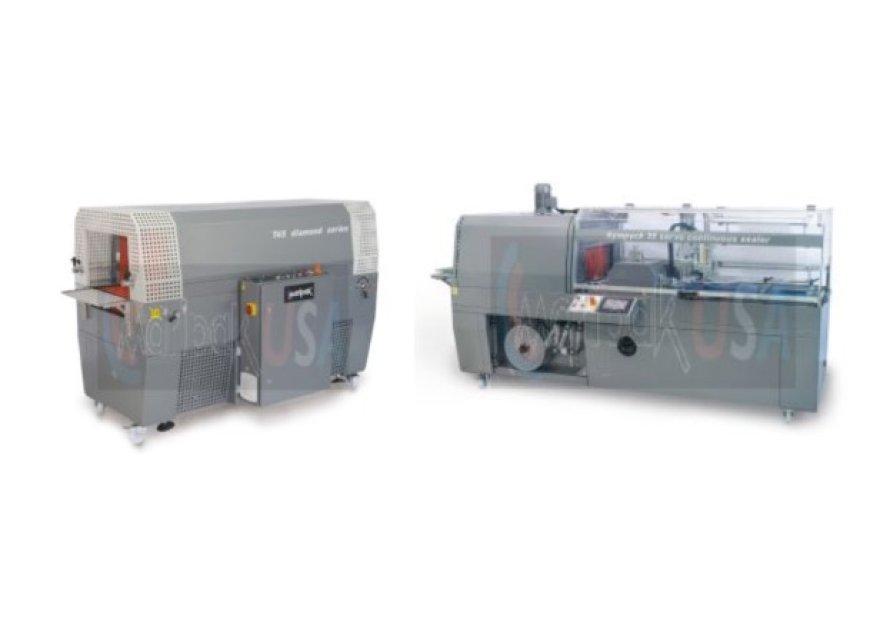
In todays fast-paced industrial and manufacturing sectors, the choice of equipment can significantly influence operational efficiency and product quality. One of the most critical components in thermal processing and product finishing is the heat chamber. Whether used in shrink wrap packaging, material testing, or curing applications, selecting the correct heat chamber requires a thorough understanding of the industry's specific needs. The right unit ensures precise thermal performance, energy efficiency, and consistent results. Maripak USA offers a range of customizable heat chamber solutions that cater to diverse industrial applications with precision and reliability.
Understanding the Role of Heat Chambers in Industry
Heat chambers, also known as thermal chambers or curing ovens, are enclosed environments engineered to generate and maintain consistent high temperatures. These systems are widely used across various industries, including aerospace, automotive, electronics, packaging, and pharmaceuticals. Their primary functions include product drying, heat-treating, component testing under extreme temperatures, and activating shrink films in packaging lines.
For example, in shrink wrap packaging, the heat chamber applies uniform thermal energy that activates shrink films around a product, ensuring a tight, protective seal. This process requires not only high temperatures but also controlled airflow and precise time parameters to prevent damage or uneven shrinkage.
Key Specifications to Consider
When choosing a heat chamber, businesses must consider a range of technical and functional specifications based on their operational needs. Here are the most critical parameters:
1. Temperature Range and Control Accuracy
Different applications require varying temperature thresholds. For shrink wrapping, consistent temperatures between 300F to 450F are common, while materials testing might require higher thresholds. Accurate and responsive temperature controls are vital for uniform product treatment and energy efficiency.
2. Chamber Size and Capacity
The internal dimensions of a heat chamber should align with the size and volume of the products being processed. For high-throughput environments like packaging lines, chambers with conveyor systems or larger interior capacities can handle multiple units simultaneously, enhancing productivity.
3. Airflow Design and Distribution
Uniform airflow ensures even heat distribution across the product surface. Heat chambers can be designed with horizontal or vertical airflow, depending on the products geometry. Uneven heating can result in partial shrinkage or deformation, especially in shrink wrap packaging processes.
4. Energy Efficiency and Insulation
Modern heat chambers are built with advanced insulation materials to minimize heat loss. Energy-efficient models help businesses reduce utility costs and meet environmental sustainability standards. Maripak USAs heat chambers are designed with energy optimization in mind, incorporating intelligent heat recovery and programmable controls.
5. Safety Features and Compliance
Industrial heat chambers must comply with safety regulations such as OSHA and NFPA standards. Essential safety features include emergency shutoff systems, overheat protection, and insulation to prevent surface burns. Chambers used in pharmaceutical or food processing must also meet FDA or GMP guidelines.
6. Customization and Integration
Some businesses require heat chambers that integrate seamlessly with other automation systems, including conveyor belts or robotic arms. Custom-built chambers can include features like touch-screen PLC controls, multi-zone heating, and data logging for traceability. Maripak USA provides customizable solutions tailored to specific industry workflows.
Industry-Specific Use Cases
In the electronics industry, heat chambers are used to test the reliability of components under fluctuating thermal conditions. In the automotive sector, they are essential for curing paint or testing plastic parts for temperature resistance. In packaging, particularly shrink wrap packaging, the chambers role is to ensure uniform shrinkage of the film without compromising the product integrity.
Pharmaceutical companies use heat chambers for sterilization and accelerated aging tests, while aerospace manufacturers rely on them to simulate extreme operational conditions. Each of these applications demands a different configuration of heat chamber specifications, reinforcing the importance of industry alignment when making purchasing decisions.
Conclusion
Choosing the right heat chamber is not a one-size-fits-all process. It requires a precise evaluation of operational needs, regulatory requirements, and technological compatibility. From temperature uniformity to energy efficiency and safety, each factor plays a vital role in determining the right fit. Maripak USA stands at the forefront of providing robust, industry-tailored heat chamber solutions. For businesses involved in shrink packaging, selecting a chamber that ensures both performance and reliability is essential to maintaining competitive standards.